
The global workforce stands at a pivotal crossroads. Rapid advancements in artificial intelligence, the green transition, geopolitical shifts, and demographic changes are reshaping industries at an unprecedented pace. By 2030, millions of new jobs will emerge while others decline, creating a net positive but demanding a fundamental shift in workforce capabilities. Success in this evolving landscape hinges not only on technical expertise but on a balanced blend of cognitive, technological, socio-emotional, and adaptive skills. Professionals who cultivate these competencies will thrive, while those who lag risk obsolescence.
Analytical thinking consistently ranks as the most essential core skill today and into the future. Employers across sectors value the ability to dissect complex problems, evaluate data, and arrive at reasoned conclusions amid uncertainty. In an era flooded with information and AI-generated insights, professionals must synthesize disparate data points, identify patterns, and make strategic decisions. This skill underpins innovation and effective problem-solving, enabling individuals to navigate ambiguity that automation alone cannot resolve. Those proficient in analytical thinking are better positioned to drive efficiency and competitive advantage in their organizations.
Complementing analytical prowess is creative thinking, which emerges as a top-rising skill. While machines excel at routine tasks and pattern recognition, human creativity generates novel ideas, fosters innovation, and devises unconventional solutions. Creative thinking involves imagination, curiosity, and the willingness to challenge assumptions. In fields ranging from product development to marketing and sustainability initiatives, it fuels breakthroughs that differentiate leaders from followers. Employers increasingly seek individuals who can combine analytical rigor with creative flair to address multifaceted challenges like climate adaptation and digital transformation.
Technological literacy forms another cornerstone. This encompasses a broad understanding of digital tools, systems, and emerging technologies rather than deep coding expertise alone. As AI and automation permeate workplaces, the ability to leverage these tools effectively becomes baseline. Workers must confidently navigate software platforms, understand data flows, and integrate new technologies into workflows. Technological literacy empowers professionals to collaborate with AI systems, enhancing productivity without being replaced by them. It also facilitates quicker adaptation to new tools, a critical advantage in fast-evolving industries.
AI and big data skills top the list of fastest-growing competencies. Proficiency in utilizing AI for analysis, automation, and decision support, alongside managing large datasets, is projected to surge. Professionals do not necessarily need to become data scientists but should develop fluency in applying these technologies to real-world problems. This includes prompt engineering for large language models, interpreting AI outputs, and ensuring ethical use. Industries like healthcare, finance, manufacturing, and logistics increasingly demand workers who can harness AI to optimize operations, predict trends, and personalize services.
Networks and cybersecurity represent another high-growth area. With rising digital connectivity and cyber threats, expertise in securing systems, managing networks, and mitigating risks is indispensable. Organizations prioritize professionals who can safeguard data, ensure compliance, and build resilient infrastructures. This skill extends beyond IT departments to all roles handling sensitive information, emphasizing proactive risk management in an interconnected world.
Resilience, flexibility, and agility rank highly among core skills. The ability to adapt to change, bounce back from setbacks, and thrive in dynamic environments distinguishes high performers. Economic uncertainty, technological disruptions, and shifting priorities require mental toughness and openness to new ways of working. Resilient individuals maintain productivity under pressure, embrace continuous learning, and pivot strategies when needed. This socio-emotional attribute supports both personal well-being and organizational agility.
Curiosity and lifelong learning have become non-negotiable. The half-life of skills is shortening, making static knowledge insufficient. Professionals who demonstrate intellectual curiosity actively seek new information, experiment with ideas, and invest in upskilling. Organizations foster cultures of continuous development through training, mentorship, and experiential learning. Those committed to lifelong learning remain relevant, seize emerging opportunities, and contribute to innovation ecosystems.
Leadership and social influence continue to gain prominence. Effective leaders inspire teams, manage talent, and drive collaboration across diverse groups. In hybrid and global work settings, skills in communication, empathy, active listening, and stakeholder management prove vital. Emotional intelligence—the capacity to understand and manage emotions in oneself and others—enhances team cohesion, conflict resolution, and customer relationships. Human-centric skills like these remain irreplaceable by technology, positioning empathetic leaders as key differentiators.
Systems thinking and motivation with self-awareness round out critical competencies. Systems thinking involves understanding interconnections within complex organizations and global ecosystems, crucial for addressing sustainability and supply chain challenges. Self-awareness and intrinsic motivation support personal growth, goal-setting, and resilience. Talent management skills, including mentoring and fostering inclusive environments, help build high-performing teams.
Developing These Skills for Long-Term Success
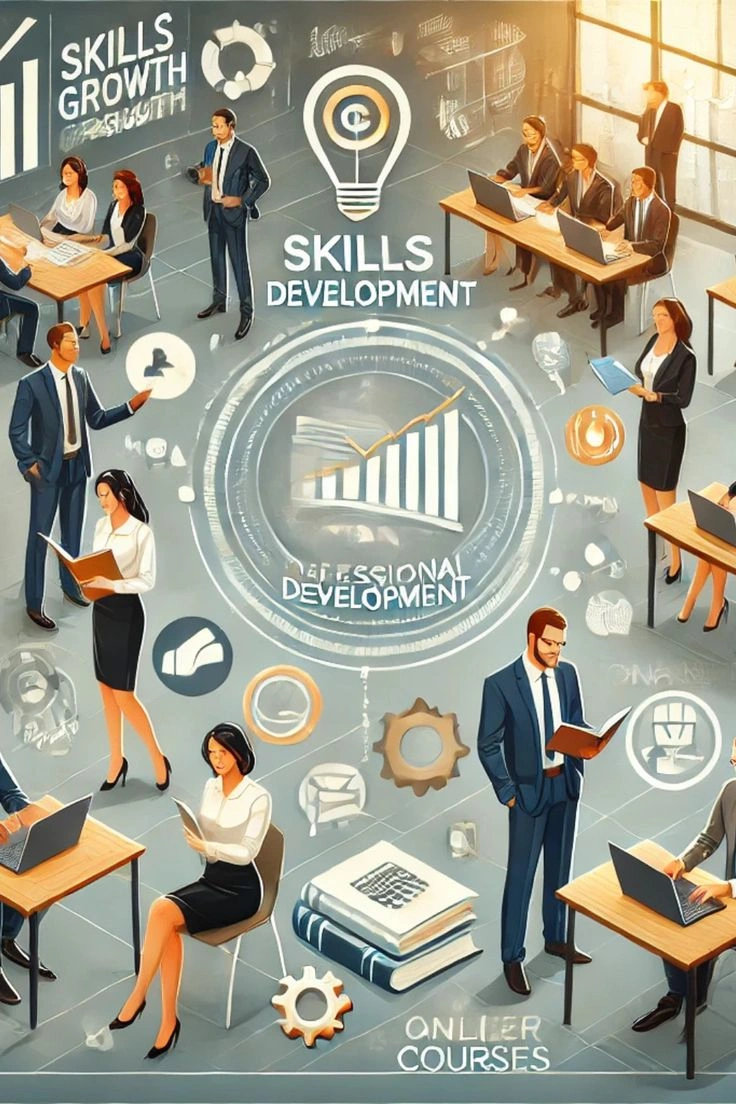
Building future-ready skills requires intentional effort. Formal education provides a foundation, but real growth occurs through practical application, feedback, and reflection. Individuals can start by assessing current strengths via self-evaluation tools or 360-degree feedback. Targeted online courses, certifications, and workshops in AI literacy, data analysis, and leadership accelerate progress. Hands-on projects—such as leading cross-functional initiatives or experimenting with AI tools—build confidence and demonstrable experience.
Employers play a pivotal role by investing in reskilling programs, creating learning cultures, and aligning workforce strategies with future needs. Mentorship programs, job rotations, and stretch assignments expose employees to new challenges. Performance evaluations should incorporate skill development metrics alongside traditional outcomes. Collaboration between businesses, educational institutions, and governments can create robust talent pipelines through apprenticeships, industry certifications, and policy support for lifelong learning.
Diversity and inclusion enhance skill development. Teams with varied backgrounds bring broader perspectives, boosting creativity and problem-solving. Organizations that prioritize equity attract top talent and foster innovation. Professionals should seek inclusive environments that value different viewpoints and provide equitable growth opportunities.

The Human Edge in an AI-Driven World
While technology drives efficiency, distinctly human qualities—empathy, ethical judgment, creativity, and collaboration—provide the competitive edge. AI excels at processing information but struggles with nuanced interpersonal dynamics, moral reasoning, and original ideation. The most successful careers will blend technological fluency with strong human skills, enabling professionals to guide AI applications responsibly and lead transformative initiatives.
Sustainability awareness is rising in importance. Environmental stewardship, understanding climate impacts, and integrating green practices into business strategies are gaining traction. Professionals who align their work with sustainable goals contribute to broader societal value while enhancing organizational reputation and compliance.
Preparing for 2030 and Beyond
The transition demands proactive mindset shifts. Job seekers should tailor resumes and interviews to highlight relevant skills with concrete examples. Career changers can leverage transferable competencies like analytical thinking and adaptability to pivot into growing fields such as AI ethics, renewable energy, or digital health.
Educational systems must evolve to emphasize these skills from early stages, integrating project-based learning, critical thinking curricula, and digital competencies. Policymakers can support through incentives for training, portable benefits for gig workers, and social safety nets during transitions.
In conclusion, future career success rests on a dynamic portfolio of skills: analytical and creative thinking, technological mastery (especially AI and cybersecurity), resilience, lifelong learning, leadership, and emotional intelligence. By investing in these areas today, individuals position themselves not just to survive but to lead in tomorrow’s economy. Organizations and societies that prioritize skill development will unlock innovation, productivity, and inclusive growth. The future belongs to the adaptable, the curious, and the collaborative—those who embrace change as an opportunity rather than a threat.
Read more – globalbriefingai.com
