

In today’s fast-paced professional environment, achieving a healthy work-life balance remains a significant challenge for many. Professionals often face mounting pressures from deadlines, constant connectivity, and high expectations, leading to elevated stress levels that can impact both personal well-being and career performance. Research consistently shows that poor work-life balance contributes to burnout, reduced productivity, and health issues, while effective strategies can enhance resilience, job satisfaction, and overall quality of life.
Work-life balance does not mean a perfect 50/50 split every day. It involves intentional practices that allow professionals to fulfill work responsibilities while nurturing personal health, relationships, and interests. This article explores practical, evidence-based tips tailored for busy professionals to reduce stress and foster sustainable harmony between their careers and personal lives.
Understand the Impact of Imbalance
Chronic work-related stress affects physical and mental health. Working long hours, particularly beyond 55 per week, is associated with increased risks of stroke and heart disease. Burnout, recognized as a significant occupational hazard, can cost organizations thousands per employee annually through turnover and lost productivity. Many professionals report feeling overwhelmed, with a substantial portion experiencing symptoms of anxiety, fatigue, or dissatisfaction.
On the positive side, better balance correlates with higher engagement, creativity, and retention. Employees who manage stress effectively often report greater life satisfaction and stronger performance at work. The key lies in proactive habits rather than waiting for external changes.
Set Clear Boundaries
One of the foundational steps is establishing firm boundaries between work and personal time. Define specific work hours and commit to them, avoiding the temptation to check emails or respond to messages outside these periods. For remote or hybrid workers, this might mean creating a dedicated workspace and physically separating it from living areas at the end of the day.
Communicate these boundaries clearly with colleagues and supervisors. Let others know your availability, and resist the “always-on” culture by setting expectations around response times. This practice reduces the mental load of constant availability and helps prevent work from encroaching on family time, relaxation, or sleep. Professionals who maintain these limits often experience lower stress and report feeling more in control of their schedules.
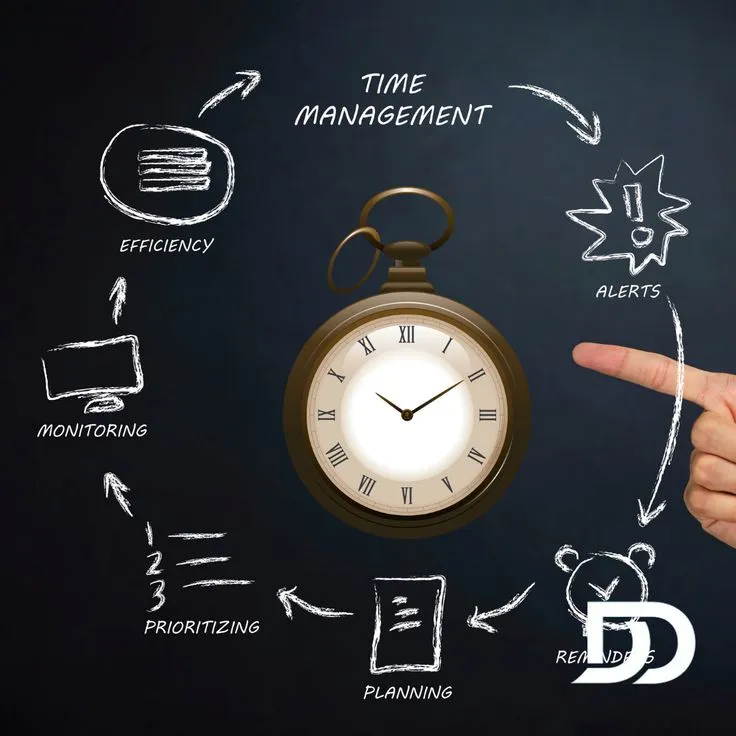
Prioritize and Manage Time Effectively
Effective time management prevents tasks from piling up and becoming overwhelming. Start each day by creating a prioritized to-do list, focusing on high-impact activities first. Techniques like breaking large projects into smaller, manageable steps can build momentum and provide a sense of accomplishment.
The Pomodoro Technique offers a structured approach: work in focused 25-minute intervals followed by short 5-minute breaks. This method enhances concentration, minimizes distractions, and prevents mental fatigue. Regular breaks throughout the day—such as stretching or stepping away from the screen—recharge energy and improve focus. Professionals using such methods often find they complete work more efficiently, freeing up time for personal pursuits.
Avoid multitasking, which can increase errors and stress. Instead, tackle one task at a time and limit email checks to designated periods. Delegation and asking for help when needed also lighten the load, fostering collaboration rather than isolation.
Incorporate Regular Breaks and Mindfulness
Taking breaks is not a luxury but a necessity for sustained performance. Short pauses for deep breathing, walking, or mindfulness can lower stress hormones and boost productivity. Mindfulness practices, such as meditation or focused breathing, help professionals stay present and recognize early signs of overwhelm.
Studies indicate that even brief daily mindfulness sessions can reduce anxiety, improve emotional regulation, and enhance resilience to workplace pressures. Apps or simple guided practices during lunch breaks make this accessible. Over time, these habits build self-awareness, allowing individuals to respond thoughtfully rather than react impulsively to stressors.
Prioritize Physical Activity and Self-Care
Regular exercise stands out as one of the most effective stress reducers. Physical activity releases endorphins—natural mood elevators—while lowering cortisol levels. Even moderate activities like brisk walking, yoga, or strength training for 150 minutes per week can significantly improve mood, sleep quality, and cognitive function.
Professionals who integrate movement into their routines, such as a morning walk or post-work workout, often report better energy levels and reduced tension. Pair this with nutritious eating and adequate sleep—aiming for 7-9 hours nightly—to create a strong foundation for handling daily demands. Self-care routines, whether reading, hobbies, or time in nature, replenish mental resources depleted by work.
Nurture Relationships and Social Support
Strong personal relationships act as a buffer against stress. Schedule quality time with family and friends, treating these commitments with the same importance as work meetings. Social connections provide emotional support, perspective, and opportunities for joy outside professional roles.
At work, building supportive networks through mentorship or team interactions can alleviate isolation. Seeking help—whether delegating tasks or discussing workload with a manager—demonstrates strength, not weakness. Employers with flexible policies, such as remote options or wellness programs, often see better outcomes, but individuals can advocate for these where possible.
Leverage Flexibility and Technology Wisely
Modern work arrangements offer opportunities for better integration. Where feasible, explore flexible hours, compressed workweeks, or hybrid models that align with personal needs. Use technology to streamline tasks—automation tools, project management apps—but set limits to avoid digital overload. Disconnecting from devices in the evenings promotes better rest and presence in personal life.
Track energy patterns and adjust schedules accordingly. Some professionals thrive with early starts and afternoon wind-downs, while others prefer different rhythms. Regular self-check-ins help identify when balance is slipping, enabling timely adjustments.
Plan for Downtime and Long-Term Sustainability
Schedule regular time off, including vacations and short breaks, to fully disengage from work. Pre-planning enjoyable activities prevents downtime from being consumed by chores or lingering tasks. Hobbies, volunteering, or learning new skills outside work foster a sense of identity beyond one’s job title.
Leaders and organizations play a role by modeling healthy behaviors and supporting policies that value balance. However, individual initiative drives lasting change. Professionals who view balance as an ongoing process—rather than a one-time achievement—adapt more effectively to life’s shifts.
Measuring Progress and Staying Consistent
Progress can be tracked through simple reflections: Are stress levels decreasing? Is there more energy for personal life? Adjustments may be needed based on career stage, family demands, or industry pressures. Consistency matters more than perfection; small, daily habits compound into significant improvements.
In conclusion, reducing stress through better work-life balance requires intentional action across boundaries, time management, self-care, relationships, and flexibility. By implementing these strategies, professionals can enhance their well-being, boost performance, and build more fulfilling lives. The result is not just survival in a demanding world but thriving with greater resilience, creativity, and satisfaction. Start with one or two tips that resonate most, and gradually expand the practice. A balanced life is achievable and worth the effort—for both the individual and those around them.
Read more – top24headline.com
