

Thailand continues to welcome Indian tourists with visa-free entry, but the country has revised the permitted stay duration. Indian travellers can still visit Thailand without applying for a traditional tourist visa; however, the maximum visa-free stay period has now been reduced to 30 days.
The decision comes after Thailand reviewed tourism trends and noticed a decline in Indian tourist arrivals even before the proposed changes were introduced. Since Indian travellers represent an important segment of Thailand’s tourism industry, authorities decided to continue visa-free access while adjusting the length of stay.
Thailand remains one of the most preferred international destinations for Indian tourists because of its beautiful beaches, affordable travel experiences, cultural attractions, shopping opportunities, and convenient flight connectivity. The updated rule mainly affects travellers who were planning longer stays, while short-term holidaymakers are expected to experience minimal impact.
Thailand Continues Visa-Free Facility for Indian Travellers
Thailand has decided to keep its visa-free entry policy for Indian passport holders instead of completely removing the facility. Earlier, there were discussions about ending visa-free access due to concerns related to tourism management and increasing visitor numbers.
However, before implementing any major restriction, Thailand observed a slowdown in tourist arrivals from India. The decline encouraged authorities to reconsider their approach and maintain easier travel access for Indian visitors.
The revised policy allows Indian citizens to continue travelling to Thailand without obtaining a tourist visa in advance, but the duration of their stay has been adjusted. Under the new rule, Indian tourists can stay in Thailand for up to 30 days without a visa.
This decision provides a balance between encouraging international tourism and managing the number of extended stays by foreign visitors.
Reasons Behind Thailand’s Decision to Reduce Stay Duration
The reduction of the visa-free stay period is connected to Thailand’s changing tourism environment and efforts to create a more sustainable travel system. Indian tourists have traditionally been among the major contributors to Thailand’s tourism sector, with visitors travelling for holidays, family trips, business purposes, and special occasions.
Thailand has been focusing on improving tourism management while ensuring that popular destinations do not face excessive pressure from long-term visitor stays. A shorter visa-free period allows the country to continue attracting tourists while maintaining better control over visitor movement.
The decline in Indian tourist arrivals also influenced this decision. Tourism authorities wanted to maintain a welcoming approach for Indian travellers rather than introducing complete restrictions that could further affect visitor numbers.
What the 30-Day Visa-Free Rule Means for Indian Tourists
The updated 30-day visa-free rule is unlikely to create major difficulties for most Indian travellers because many Thailand trips are usually planned for shorter durations. Most tourists visit destinations such as Bangkok, Phuket, Krabi, Pattaya, and Chiang Mai for vacations lasting between a few days and two weeks.
However, travellers who previously planned extended stays will now need to review their travel arrangements. Visitors who want to remain in Thailand for more than 30 days may need to explore suitable visa options based on their purpose of travel and eligibility.
The new rule also makes travel planning more important. Tourists should ensure that their return tickets, accommodation bookings, and overall itinerary match the permitted stay duration to avoid complications during immigration checks.
Why Thailand Remains Popular Among Indian Tourists
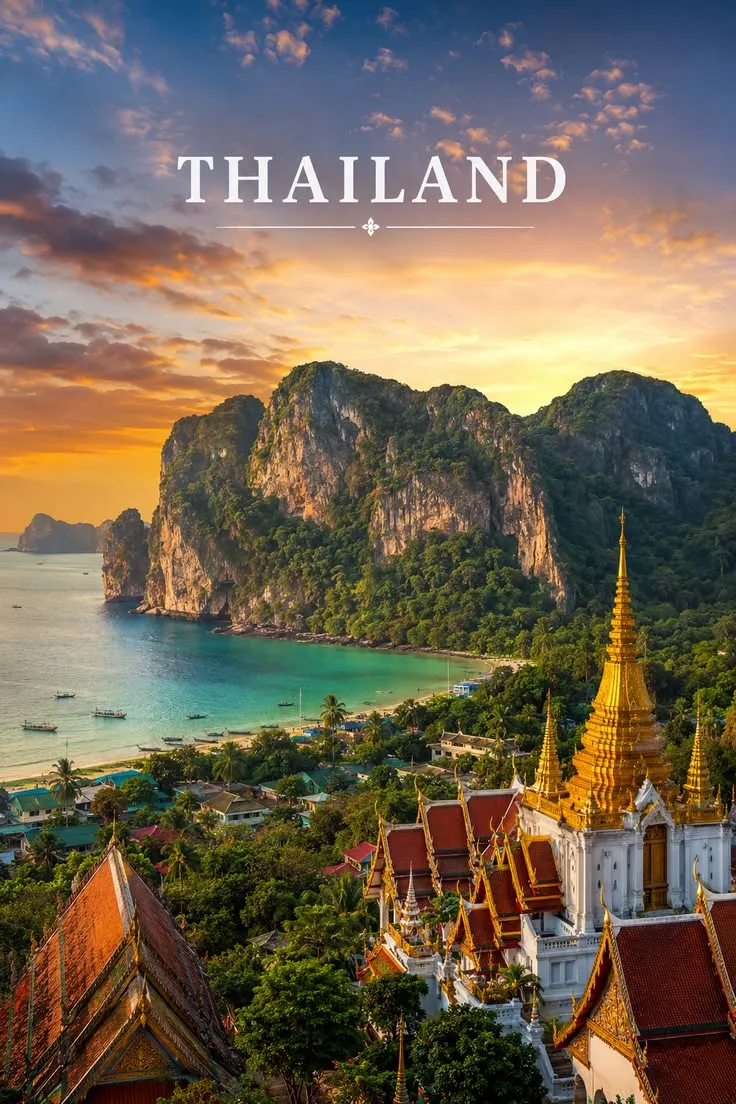
Despite the updated stay limit, Thailand continues to be a favourite international destination for Indian travellers. The country offers a combination of affordability, natural beauty, entertainment options, and cultural experiences that attract millions of visitors every year.
One of the biggest reasons behind Thailand’s popularity is its affordable travel environment. Compared with many other international destinations, Thailand offers budget-friendly hotels, local transportation, food options, and shopping experiences. This makes it suitable for both budget travellers and luxury tourists.
Thailand’s easy connectivity with India also plays an important role. Regular flights from major Indian cities make it convenient for travellers to plan international vacations without complicated travel arrangements.
The country also provides diverse experiences for different types of visitors. Travellers can explore tropical islands, enjoy adventure activities, experience Thai culture, taste local cuisine, relax at luxury resorts, and participate in wellness activities.
Thailand is especially popular among Indian honeymoon couples and families because of its scenic locations, comfortable accommodations, and wide range of activities suitable for different age groups.
Important Travel Considerations for Indian Visitors
Indian travellers planning a Thailand trip should understand the updated entry conditions before departure. Although visa-free entry remains available, visitors must ensure they meet all travel requirements.
A valid passport and necessary travel documents are essential for international travel. Immigration officials may ask visitors to provide details such as return flight information, accommodation arrangements, and other travel-related documents.
Travellers should also carefully monitor their stay duration. Remaining in Thailand beyond the allowed 30-day period without proper approval can create legal and immigration-related issues.
Keeping updated with the latest travel regulations is also important because international travel policies can change based on government decisions, tourism conditions, and diplomatic developments.
Impact on Thailand’s Tourism Industry
Indian tourists have become an important part of Thailand’s tourism recovery and growth strategy. The country has actively promoted tourism by introducing easier entry policies and encouraging visitors from key international markets.
Maintaining visa-free entry for Indian travellers highlights Thailand’s interest in strengthening tourism connections with India. At the same time, reducing the stay period reflects efforts to manage tourism growth more effectively.
A balanced tourism approach helps Thailand protect popular destinations, improve visitor experiences, and maintain long-term benefits for local communities. By controlling extended stays while encouraging regular tourist visits, Thailand aims to create a sustainable tourism environment.
Future of Thailand Travel for Indian Tourists
The continuation of visa-free entry provides confidence for Indian travellers planning future vacations to Thailand. Although the reduction from a longer stay period to 30 days may affect some travellers, the policy still allows convenient access for short and medium-duration holidays.
For most Indian tourists, the updated rule will not significantly change their travel plans. With proper preparation and awareness of the new conditions, visitors can continue exploring Thailand’s beaches, cultural attractions, food, and entertainment experiences.
Thailand is expected to remain one of the most preferred international destinations for Indian travellers due to its affordability, accessibility, and variety of experiences.
Conclusion
Thailand has decided to continue visa-free entry for Indian tourists while reducing the maximum stay duration to 30 days. The change comes after a review of tourism trends and declining Indian arrivals, with authorities choosing to maintain easy travel access rather than completely ending the facility.
For Indian travellers, Thailand remains an attractive and accessible holiday destination. By understanding the updated visa-free rules, preparing required documents, and planning trips within the permitted timeframe, tourists can continue enjoying memorable experiences in Thailand without major difficulties.