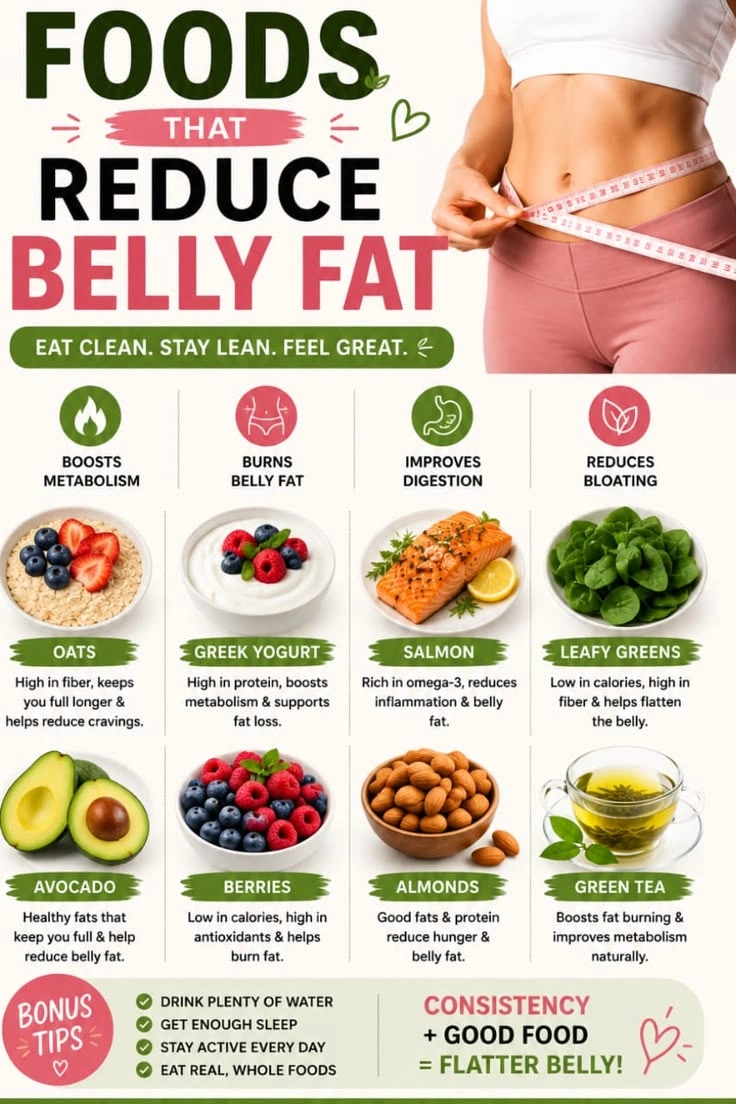

Reducing belly fat, particularly visceral fat surrounding internal organs, is one of the most effective ways to improve overall health. This type of fat is strongly linked to insulin resistance, inflammation, heart disease, and type 2 diabetes. While no single food can magically melt fat, certain nutrient-dense foods can support fat loss by boosting metabolism, reducing inflammation, promoting satiety, and improving gut health. A balanced approach combining these foods with regular physical activity and adequate sleep yields the best results.
Here are some of the most effective foods backed by scientific understanding for targeting stubborn belly fat and naturally enhancing metabolic rate.
1. Greek Yogurt and Other Probiotic-Rich Foods
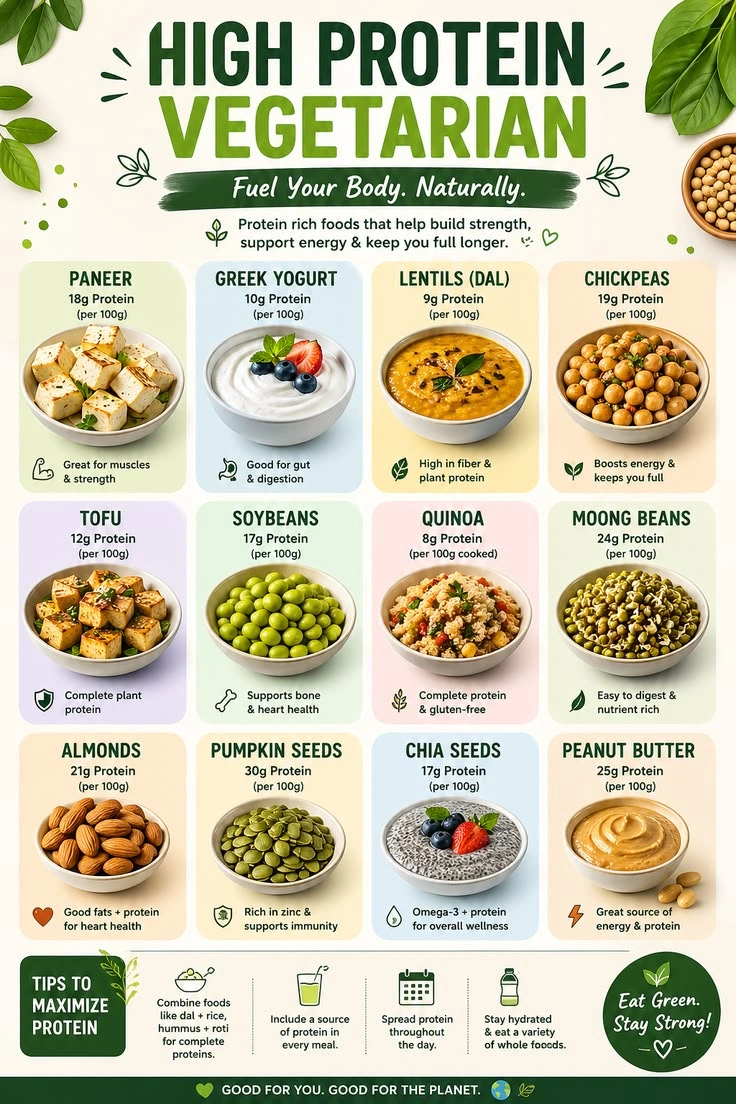
Greek yogurt stands out due to its high protein content and live probiotics. Protein has a high thermic effect, meaning the body burns more calories digesting it compared to carbs or fats. Probiotics support a healthy gut microbiome, which plays a crucial role in metabolism and fat storage regulation.
Opt for plain, unsweetened varieties to avoid added sugars. Regular consumption can improve satiety, reduce overall calorie intake, and support healthy body composition. Other fermented options like kefir, kimchi, and sauerkraut offer similar benefits.
2. Fatty Fish Rich in Omega-3s
Salmon, mackerel, sardines, and tuna are excellent sources of high-quality protein and omega-3 fatty acids. These healthy fats help reduce inflammation and may specifically target visceral fat. Omega-3s also support metabolic health by improving insulin sensitivity.
Studies suggest that people who regularly consume fatty fish tend to have lower waist circumference and better fat distribution. Aim for at least two servings per week. The combination of protein and healthy fats makes these fish highly satiating, helping control hunger hormones.
3. Green Tea and Coffee
Green tea contains catechins, particularly EGCG, which may modestly increase fat oxidation and metabolic rate. Drinking several cups daily can provide a gentle boost to calorie burning, especially when combined with physical activity.
Coffee, thanks to its caffeine content, can temporarily elevate metabolism and enhance fat breakdown. Both beverages offer antioxidants that combat oxidative stress linked to abdominal fat accumulation. Choose black coffee or green tea without added sugars for maximum benefits.
4. Eggs and Lean Proteins
Eggs are nutrient powerhouses packed with high-quality protein. Starting the day with eggs can increase feelings of fullness and reduce calorie intake throughout the day. Protein-rich foods have the highest thermic effect, helping the body burn more calories during digestion.
Other lean proteins like chicken breast, turkey, and legumes (beans, lentils, chickpeas) deliver similar advantages. High-protein diets are consistently associated with greater reductions in belly fat compared to lower-protein approaches.
5. Berries and Antioxidant-Rich Fruits
Blueberries, strawberries, and other berries are loaded with fiber, antioxidants, and polyphenols. These compounds help reduce inflammation and oxidative stress while supporting gut health. Berries are naturally sweet yet low in calories, making them excellent for curbing sugar cravings.
Apples and grapefruits also show promise. Their soluble fiber slows digestion and promotes fullness, while certain compounds may support healthier fat metabolism.
6. Chili Peppers and Spices
Capsaicin, the compound responsible for the heat in chili peppers, can temporarily boost metabolism and increase fat oxidation. Regular consumption may also help suppress appetite. Adding spices like ginger and turmeric provides additional anti-inflammatory benefits that support metabolic health.
These flavorful additions make meals more satisfying without extra calories, encouraging better long-term eating habits.
7. Nuts and Seeds
Almonds, walnuts, chia seeds, and flaxseeds offer a perfect combination of protein, healthy fats, and fiber. Despite being calorie-dense, they promote satiety and may help reduce visceral fat when consumed in moderation. Walnuts, in particular, are noted for their omega-3 content and potential metabolic benefits.
A small handful as a snack can prevent overeating at subsequent meals while providing sustained energy.
8. Cruciferous Vegetables and Leafy Greens
Broccoli, cauliflower, Brussels sprouts, kale, and spinach are high in fiber and low in calories. They help regulate blood sugar, reduce inflammation, and support detoxification processes. Their high volume makes meals feel more filling while contributing minimal calories.
These vegetables also contain compounds that may positively influence fat storage and metabolic function.
9. Whole Grains and Oats
Replacing refined grains with whole grains like oats, quinoa, and brown rice can significantly impact belly fat. The fiber in these foods slows digestion, stabilizes blood sugar, and feeds beneficial gut bacteria. Oats, in particular, contain beta-glucan, which is linked to improved metabolic health.
10. Extra Virgin Olive Oil and Avocados
Healthy monounsaturated fats found in extra virgin olive oil and avocados can help reduce inflammation and improve insulin sensitivity. When used to replace less healthy fats, they support better body composition and metabolic function.
Creating an Effective Eating Strategy
The most successful approach involves combining these foods into balanced meals. For example:
-
Breakfast: Greek yogurt with berries and chia seeds
-
Lunch: Grilled salmon with leafy greens and olive oil dressing
-
Dinner: Stir-fried chicken with broccoli, peppers, and quinoa
-
Snacks: Apple with almonds or carrot sticks with hummus
Focus on whole, minimally processed foods while staying consistent with portion control and regular physical activity. Strength training, in particular, helps build muscle mass, which naturally increases resting metabolic rate.
Important Considerations
Results take time and consistency. Sustainable fat loss occurs gradually through a moderate calorie deficit combined with nutrient-dense eating. Individual responses vary based on age, genetics, hormones, and lifestyle factors. Those with underlying health conditions should consult healthcare professionals before making significant dietary changes.
While these foods support belly fat reduction and metabolic health, they work best as part of a comprehensive lifestyle approach that includes adequate sleep, stress management, and regular movement.
By incorporating these metabolism-supporting and fat-fighting foods regularly, you can create sustainable habits that not only target stubborn belly fat but also enhance overall energy, immunity, and long-term wellbeing. Small, consistent choices in the kitchen can lead to significant improvements in how you look and feel.
Read more – medianewsqo.com