
Protein is an essential macronutrient responsible for building and repairing tissues, supporting immune function, producing enzymes and hormones, and maintaining muscle mass. For vegetarians and those aiming to reduce meat consumption, getting adequate protein from plant-based sources is not only possible but can be highly beneficial when done thoughtfully. A well-planned vegetarian diet can meet or exceed daily protein requirements while offering additional nutrients like fiber, antioxidants, and healthy fats.
Here’s a comprehensive guide to the best vegetarian protein foods that support a healthy, balanced lifestyle in 2026.
1. Lentils: The Protein Powerhouse
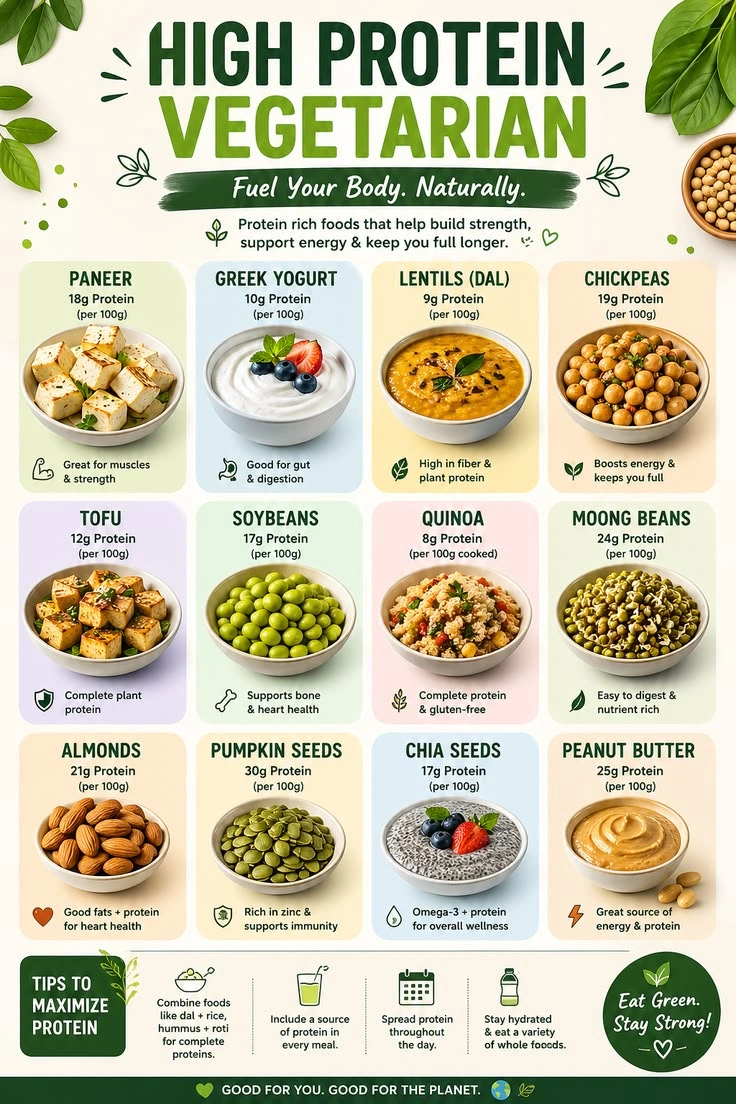
Lentils are one of the most affordable and versatile vegetarian protein sources. One cup of cooked lentils provides approximately 18 grams of protein, along with significant amounts of iron, folate, and dietary fiber. They help stabilize blood sugar levels and promote digestive health due to their high fiber content.
Lentils come in various types — green, brown, red, and black — each with slightly different textures and cooking times. They can be used in soups, dals, salads, burgers, or as a base for vegetarian kebabs. Their mild flavor makes them easy to incorporate into Indian, Middle Eastern, and Mediterranean cuisines.
2. Chickpeas (Garbanzo Beans)
Chickpeas deliver around 15 grams of protein per cooked cup. They are rich in complex carbohydrates, fiber, and essential minerals like manganese and phosphorus. Chickpeas support sustained energy and help with weight management due to their satiating properties.
Popular preparations include hummus, chana masala, roasted chickpeas as snacks, and falafel. Chickpea flour (besan) is also excellent for making high-protein pancakes, cheela, or binding veggie burgers.
3. Tofu, Tempeh, and Edamame
Soy products are complete proteins, containing all nine essential amino acids.
-
Tofu: Offers 10–20 grams of protein per 100g depending on firmness. It absorbs flavors beautifully and works in stir-fries, curries, scrambles, and desserts.
-
Tempeh: Fermented soy product with 19 grams of protein per 100g. Its nutty flavor and firm texture make it ideal for grilling or adding to salads.
-
Edamame: Young soybeans provide 11 grams of protein per 100g serving. They are excellent as snacks, in salads, or as a side dish.
These options are particularly valuable for vegetarians looking for high-quality, complete protein sources.
4. Greek Yogurt and Cottage Cheese
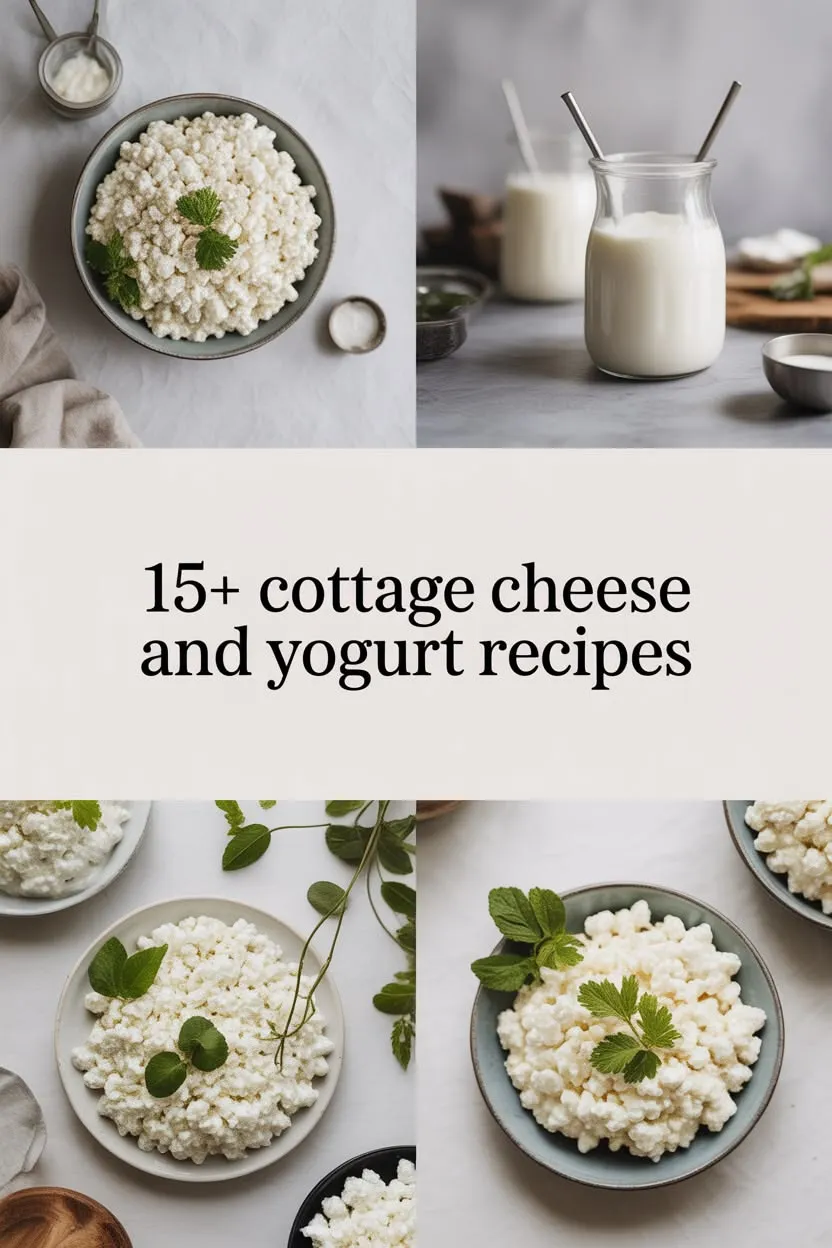
For lacto-vegetarians, Greek yogurt and cottage cheese are outstanding choices. Greek yogurt can contain 15–20 grams of protein per cup, along with probiotics that support gut health. Cottage cheese offers around 25 grams per cup and is rich in calcium.
These dairy options are versatile — they can be eaten plain, used in smoothies, paired with fruits and nuts, or incorporated into savory dishes like vegetable stirs and stuffed parathas.
5. Quinoa and Other Ancient Grains
Quinoa is a complete protein, providing 8 grams per cooked cup. It is also rich in magnesium, iron, and antioxidants. Other excellent options include amaranth, buckwheat, and farro. These grains are gluten-free and make nutritious bases for salads, breakfast bowls, and pilafs.
6. Nuts and Seeds
Nuts and seeds are concentrated sources of protein, healthy fats, and micronutrients:
-
Almonds: 6 grams per 30g serving
-
Pumpkin seeds: 7 grams per 30g
-
Chia seeds: 5 grams per 2 tablespoons
-
Hemp seeds: 10 grams per 3 tablespoons
They are perfect for snacking, adding to smoothies, oatmeal, or salads. Nut butters (peanut, almond) are also convenient ways to boost protein intake.
7. Paneer and Other Dairy Products
Indian cottage cheese (paneer) is a staple vegetarian protein in many households, offering 18–20 grams per 100g. It is rich in calcium and can be grilled, stir-fried, or added to curries. Other dairy options like milk, cheese, and buttermilk also contribute meaningfully to daily protein goals.
8. Spirulina and Nutritional Yeast
Spirulina, a blue-green algae, is one of the most nutrient-dense foods available, offering high-quality protein along with vitamins and antioxidants. Nutritional yeast provides a cheesy flavor and around 8 grams of protein per 2 tablespoons, plus B vitamins.
Building a Balanced Vegetarian Protein Strategy
To maximize protein absorption and nutritional benefits, combine different sources throughout the day. Pairing grains with legumes (rice and dal, for example) creates complete proteins. Including a variety of foods ensures you receive all essential amino acids along with complementary nutrients.
Daily Protein Goal Suggestions:
-
Sedentary adults: 0.8g per kg body weight
-
Active individuals: 1.2–2.0g per kg body weight
Practical Meal Ideas
-
Breakfast: Greek yogurt parfait with berries, chia seeds, and almonds
-
Lunch: Quinoa salad with chickpeas, vegetables, and feta
-
Dinner: Paneer stir-fry with mixed vegetables and brown rice
-
Snacks: Roasted chickpeas, apple with almond butter, or edamame
Common Challenges and Solutions
Many vegetarians worry about getting enough protein. The solution lies in eating a diverse diet and consuming adequate calories. Focus on whole foods rather than relying heavily on processed meat substitutes. Proper meal planning and including protein in every meal helps meet requirements comfortably.
Long-Term Benefits
A well-balanced vegetarian diet rich in these protein sources supports muscle maintenance, weight management, heart health, and stable energy levels. It also contributes to lower inflammation and better gut health when combined with plenty of vegetables and fiber.
By incorporating a variety of these vegetarian protein foods into your daily meals, you can enjoy delicious, satisfying food while supporting your health goals. The key is consistency, variety, and mindful portioning. With thoughtful planning, a vegetarian lifestyle can be both nutritionally complete and deeply enjoyable.
Start by adding one or two new protein sources to your weekly menu and gradually expand your repertoire. Over time, you’ll discover countless ways to create flavorful, protein-rich meals that nourish both body and mind.
Read more – trendopr.com