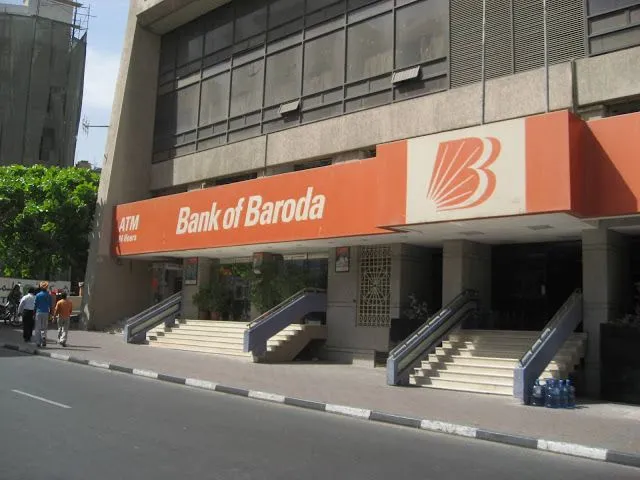
Reports have emerged of a significant alleged data breach involving Bank of Baroda, one of India’s major public sector banks. A threat actor claims to have accessed and released approximately 1TB of sensitive information, with samples circulating on the dark web. The purported data includes customer names, account details, Aadhaar numbers, loan records, NetBanking information, and internal documents from multiple branches. As of the latest available information, the bank has not issued a detailed public confirmation, and the full scope of the incident remains under scrutiny.
What Has Been Reported
According to multiple technology and business reports, a threat actor asserted that Bank of Baroda’s systems were breached and that a large volume of data—around 1,000 GB—was obtained. The material allegedly covers savings and current accounts, loan applications, NRI and corporate banking records, customer support data, and identity-linked information such as Aadhaar numbers.
Sample documents purportedly from the breach have been shared online. At least one cybersecurity observer publicly noted that certain samples appeared consistent with genuine banking records. However, independent verification of the entire dataset’s authenticity and completeness is still limited. In cases of this nature, claims by threat actors require careful assessment, as the scale and exact contents can sometimes be exaggerated.
Nature of the Allegedly Exposed Information
If confirmed, the exposure of Aadhaar numbers alongside banking details would be particularly serious. Aadhaar is a foundational identity document in India, and its combination with account information, loan records, and personal identifiers increases the risk of identity-related misuse. NetBanking user data, if accurate and complete, could raise concerns about potential unauthorised access attempts, although possession of such data does not automatically equate to compromised login credentials.
Loan records and internal documents, if genuine, could expose financial histories and operational information. The reported inclusion of data from multiple branches suggests a broader system-level issue rather than an isolated local incident, though this too awaits official clarification.
Current Status and Institutional Response
At the time of reporting, Bank of Baroda had not released a comprehensive public statement confirming or fully detailing the incident. In similar situations, banks typically conduct internal investigations, engage cybersecurity experts, and coordinate with relevant regulatory and law-enforcement bodies. Customers are generally advised to remain vigilant while awaiting official communication.
Financial regulators in India maintain frameworks for reporting and responding to cybersecurity incidents involving banks. Any confirmed breach of this magnitude would normally trigger mandatory notifications, customer advisories, and remedial measures. Until official updates are available, the situation should be treated as alleged rather than fully verified.
Potential Risks for Customers
Large-scale exposure of personal and financial data creates several categories of risk. Identity theft becomes more feasible when names, identity numbers, and account details are combined. Fraudsters may attempt phishing attacks, social engineering calls, or unsolicited messages that appear legitimate because they reference real customer information.
There is also the possibility of targeted attempts to access accounts or apply for credit in victims’ names. While banks employ multiple layers of authentication, increased vigilance remains necessary. Customers should be especially cautious of any unexpected communication requesting passwords, OTPs, or remote access to devices.
Practical Steps Customers Should Take
Regardless of the final confirmation status, customers of the bank can take immediate protective measures. Enabling transaction alerts via SMS and email helps detect unauthorised activity quickly. Reviewing recent account statements and loan records for unfamiliar entries is advisable. Strong, unique passwords for NetBanking and mobile applications, combined with two-factor authentication wherever available, add important layers of security.
Customers should avoid sharing OTPs, passwords, or personal details over phone calls or messages, even if the caller appears to represent the bank. Official banks do not request sensitive credentials in this manner. Any suspicious activity should be reported promptly through official customer-care channels.
Monitoring credit reports periodically can help identify unusual loan or credit-card applications. Freezing or placing alerts on credit files is an option in some systems if identity misuse is suspected.
Broader Context of Banking Cybersecurity
Incidents of this kind highlight the ongoing challenges financial institutions face in protecting large volumes of sensitive data. Banks manage extensive customer information and operate complex digital systems that present attractive targets for cybercriminals. Regulatory expectations around data protection, incident response, and customer notification continue to evolve in response to such risks.
For the wider public, the episode serves as a reminder that personal data requires ongoing protection. Using strong authentication, limiting unnecessary sharing of identity documents, and remaining sceptical of unsolicited requests for information are practical habits that reduce exposure across institutions.
What Happens Next
Further clarity will depend on official statements from the bank and any findings released by investigative or regulatory authorities. If the breach is confirmed, customers can expect guidance on protective steps, possible credit monitoring offers, and information about the categories of data involved. Transparency and timely communication will be important for maintaining confidence.
In the interim, treating the reports with appropriate caution while adopting stronger personal security practices is the most prudent approach. Data breach claims should neither be dismissed outright nor accepted without verification; measured vigilance serves customers best.
Conclusion: Vigilance Amid Uncertainty
The alleged 1TB data exposure linked to Bank of Baroda raises serious concerns about the security of sensitive customer and identity information. While the full facts are still emerging, the reported inclusion of account details, Aadhaar numbers, loan records, and related data underscores the potential impact on affected individuals.
Customers should prioritise account monitoring, strengthen authentication measures, and remain alert to phishing or social-engineering attempts. Official updates from the bank and regulators will provide the authoritative picture. Until then, proactive personal security measures offer the most immediate protection. Incidents of this nature reinforce the importance of robust cybersecurity practices—both at institutional and individual levels—in an increasingly digital financial environment.
Read more – topstablegames.com