
Major technology companies continue reshaping their workforces amid aggressive investments in artificial intelligence. Amazon and Meta have collectively eliminated approximately 40,000 positions over the past ten months, reflecting broader industry trends where efficiency gains from AI technologies enable operational streamlining. These reductions occur alongside substantial spending on AI infrastructure, research, and product development, highlighting the complex relationship between technological advancement and employment patterns in the sector.
The Scale and Context of Recent Tech Layoffs
Amazon has undertaken multiple rounds of workforce reductions targeting corporate and technical roles. Early in the year, the company announced plans to eliminate around 16,000 positions globally as part of ongoing efficiency initiatives. This followed previous cuts totaling approximately 14,000 roles from the previous fall. The moves primarily affected middle management layers and specialized teams, allowing flatter organizational structures that facilitate faster decision-making processes.
Meta similarly implemented significant staff reductions, cutting roughly 10% of its workforce in one notable round, equating to about 8,000 employees. Additional adjustments across various divisions, including Reality Labs and operational teams, contributed to the overall total. These changes align with strategic shifts prioritizing artificial intelligence development and infrastructure expansion while optimizing non-core functions.
Combined, the two companies’ actions account for substantial job losses within a relatively short timeframe. Industry-wide, technology firms have adjusted staffing levels as they integrate automation tools and artificial intelligence systems capable of handling tasks previously requiring larger human teams. This restructuring reflects efforts to balance innovation investments with financial discipline in competitive markets.
Reasons Behind the Workforce Reductions
Efficiency represents a primary driver behind these decisions. Leadership at both companies has emphasized the need to operate with leaner structures while accelerating progress in key technology areas. Artificial intelligence advancements allow automation of various internal processes, from code generation to data analysis and customer support functions. This capability enables companies to achieve more with fewer employees in certain operational areas.
Cost management also plays a significant role. Large technology firms face pressure to maintain profitability while making massive capital expenditures on data centers, computing power, and talent acquisition for artificial intelligence initiatives. Reducing headcount in non-essential areas helps offset these investments without compromising core growth strategies focused on emerging technologies.
Organizational flattening contributes to improved agility. Removing management layers can speed up communication and decision processes, allowing companies to respond more quickly to market changes and technological opportunities. This structural evolution supports the rapid iteration cycles characteristic of artificial intelligence development, where speed often determines competitive success.
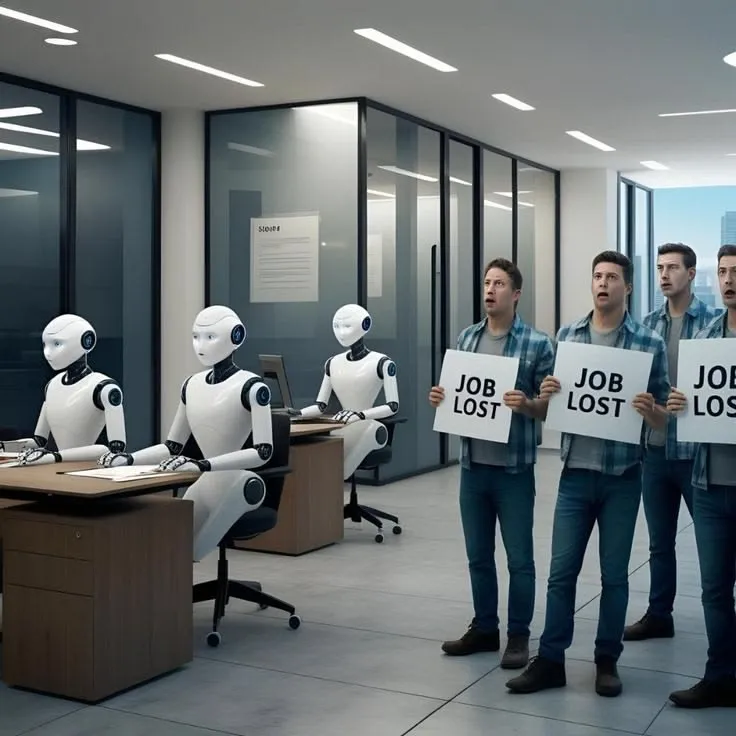
Impact on Employees and Company Culture
The human cost of these reductions cannot be overlooked. Affected employees often receive severance packages, continued healthcare benefits, and career transition support. Many impacted individuals possess valuable skills in technology and project management that remain highly sought after in the broader industry. However, sudden job loss creates stress and uncertainty, particularly for those with families or financial obligations.
Companies have communicated these changes as necessary steps for long-term competitiveness rather than reflections of poor performance. Some employees have transitioned into roles more directly aligned with artificial intelligence priorities, suggesting internal redeployment efforts alongside external reductions. The overall message emphasizes adaptation to technological change as an industry-wide imperative rather than isolated corporate decisions.
Remaining staff often face increased workloads and heightened performance expectations as teams operate with fewer members. Companies work to maintain morale through transparent communication and clear articulation of future visions centered on innovation and growth opportunities in artificial intelligence domains.
The Parallel Rise in AI Investments
Simultaneously with workforce adjustments, both Amazon and Meta have significantly increased spending on artificial intelligence infrastructure and research. Amazon continues developing advanced models and services through its various technology divisions, while Meta invests heavily in artificial intelligence applications across social platforms, content moderation, and emerging technologies like augmented reality.
These investments include construction of large-scale data centers, acquisition of specialized computing hardware, and recruitment of top artificial intelligence talent in key research areas. The apparent paradox of reducing staff while expanding artificial intelligence capabilities reflects strategic prioritization—focusing resources on high-growth technology areas while optimizing supporting functions through automation and efficiency gains.
Industry analysts note that artificial intelligence development often requires substantial upfront investment before delivering efficiency benefits that can reduce overall workforce needs. This pattern appears across multiple technology companies pursuing similar transformation strategies.
Broader Industry Trends and Implications
The actions by Amazon and Meta reflect wider patterns within the technology sector. Multiple major firms have announced workforce adjustments while simultaneously highlighting artificial intelligence as central to future growth strategies. This dual approach suggests a fundamental restructuring of how technology companies organize talent and resources around emerging capabilities.
Economic factors, including interest rates and investor expectations for profitability, also influence these decisions. Companies face pressure to demonstrate efficient operations and clear paths to returns on massive artificial intelligence investments. The technology sector’s historically high valuations depend partly on perceptions of adaptability and innovation leadership.
For the broader economy, these shifts carry mixed implications. Job losses in technology can affect local communities and related industries, while artificial intelligence advancement promises productivity gains and new opportunities in emerging fields. The net effect depends on how effectively displaced workers transition into new roles and how widely artificial intelligence benefits distribute across different sectors.
Lessons for the Future Workforce
These developments underscore the importance of continuous skill development in rapidly evolving technology landscapes. Professionals in affected areas benefit from building expertise in artificial intelligence-related domains, data analysis, and adaptable problem-solving capabilities. Companies increasingly value employees who can work effectively alongside automated systems and contribute to their improvement.
Educational institutions and training programs play crucial roles in preparing workers for these transitions. Emphasis on lifelong learning, technical literacy, and human skills like creativity and emotional intelligence helps individuals remain competitive as artificial intelligence handles more routine tasks.
Policymakers and industry leaders face questions about supporting workers through technological transitions while encouraging innovation. Balanced approaches that promote both technological advancement and workforce adaptability will likely determine long-term economic outcomes.
Navigating Change in the AI Era
The recent layoffs at Amazon and Meta, totaling around 40,000 positions over ten months, highlight the complex dynamics shaping the technology industry. As companies invest heavily in artificial intelligence capabilities, they simultaneously restructure workforces to optimize efficiency and focus resources on strategic priorities. These changes reflect broader transformations occurring across the sector as artificial intelligence reshapes business operations and competitive landscapes.
For affected employees, the situation presents both challenges and opportunities to pivot toward emerging roles in artificial intelligence development and related fields. Companies demonstrate commitment to supporting transitions through severance and career services while maintaining focus on innovation objectives. The industry as a whole continues evolving, with artificial intelligence serving as both a disruptive force and a catalyst for new growth possibilities.
Understanding these dynamics helps stakeholders navigate the changing environment more effectively. Employees benefit from proactive skill development, while businesses must balance efficiency gains with responsible workforce management. As artificial intelligence capabilities advance, the relationship between technology investment and human employment will likely remain a central topic shaping industry strategies and economic policies for years ahead.
The coming period will test how successfully the technology sector manages this transition while delivering promised benefits of artificial intelligence advancement. Companies like Amazon and Meta, through their simultaneous workforce adjustments and innovation investments, exemplify the challenges and opportunities defining this transformative era in business and technology.
Read more – amherstdelivery.com
