Many people have experienced the habit of walking to the kitchen, opening the refrigerator, looking inside, and closing it without taking anything. After a few minutes, they may repeat the same action again. While this behaviour may seem like a simple search for food, psychology suggests that repeatedly opening the fridge can sometimes be connected to emotions, habits, boredom, stress and the way our brain responds to comfort and rewards.
The urge to check the fridge is not always driven by physical hunger. In many cases, it can be a reflection of psychological needs, automatic behaviours or emotional states. Understanding the reasons behind this habit can help people become more aware of their relationship with food and daily routines.
The Difference Between Physical Hunger and Emotional Hunger
One of the main reasons people open the fridge repeatedly is confusion between physical hunger and emotional hunger. Physical hunger develops gradually and is usually connected to the body’s need for energy. It often comes with signs such as stomach discomfort, low energy or difficulty concentrating.
Emotional hunger, on the other hand, is usually connected to feelings rather than physical needs. Stress, boredom, loneliness, frustration or tiredness can create a desire to eat even when the body does not require food.
Opening the fridge can become a way to search for comfort, distraction or a temporary mood boost. The brain may associate certain foods with pleasure and relaxation, making people look for something to eat during emotional moments.
Why the Brain Creates This Habit
Human behaviour is strongly influenced by habits. When an action is repeated frequently, the brain begins to treat it as an automatic routine. This process is linked to habit formation, where a specific situation or feeling triggers a familiar behaviour.
For example, a person may start opening the fridge whenever they feel bored while working, watching television or taking a break. Over time, the brain creates an association between boredom and checking for food.
The action itself can become rewarding because searching for food creates a sense of anticipation. Even if a person does not eat anything, the process of checking may provide a small moment of excitement or distraction.
The Role of Dopamine and Reward-Seeking Behaviour
The brain’s reward system plays an important role in food-related behaviours. When people expect something enjoyable, the brain releases chemicals associated with motivation and reward.
Food, especially sweet, salty or high-calorie foods, can activate these reward pathways. This is why people may feel attracted to checking the fridge even when they are not truly hungry.
The possibility of finding something enjoyable can create a small reward expectation. Similar patterns can be seen in other everyday habits, such as repeatedly checking a phone for notifications or browsing online without a specific purpose.
Boredom Can Trigger Unnecessary Eating
Boredom is one of the most common reasons behind repeated fridge visits. When the brain lacks stimulation, people often search for quick activities that provide entertainment or satisfaction.
Food becomes an easy option because it requires little effort and can provide immediate pleasure. A quick snack or even the act of looking through the fridge can break a boring moment.
This behaviour is especially common when people spend long periods at home, work remotely or have unstructured routines. Without enough mental engagement, the brain may look for small sources of enjoyment throughout the day.
Stress and Comfort Eating Connection
Stress has a powerful impact on eating behaviour. During stressful situations, the body experiences changes in hormones and emotional responses that can influence appetite and cravings.
Many people naturally turn toward familiar foods during stressful periods because eating can create feelings of comfort and relaxation. Foods connected with positive memories, childhood experiences or special occasions may feel emotionally satisfying.
Repeatedly opening the fridge may therefore be a sign that someone is looking for emotional relief rather than food itself. Recognising this connection can help people find healthier ways to manage stress.
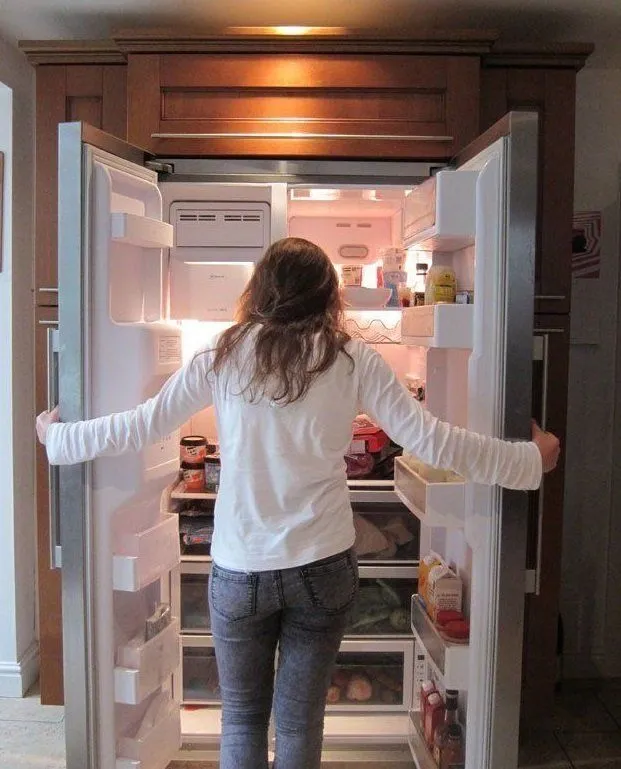
The Influence of Environment and Food Availability
The environment around us also affects eating habits. When food is easily visible and accessible, people are more likely to think about eating.
A refrigerator filled with snacks, leftovers or favourite foods can act as a constant reminder. Simply seeing food can create cravings, even when the body does not need additional energy.
Modern lifestyles also make food available almost all the time. Unlike earlier generations, many people now have continuous access to snacks and meals, which can encourage frequent checking and unnecessary eating.
How Mindless Eating Develops
Mindless eating occurs when people consume food without paying full attention to hunger signals. This often happens while watching television, working, scrolling on a phone or dealing with emotions.
Repeated fridge checking can be an early sign of this pattern. A person may not consciously decide to eat but instead follows an automatic routine.
Developing awareness about eating habits can help people identify whether they are actually hungry or simply responding to a habit, emotion or environmental trigger.
Simple Ways to Break the Repeated Fridge-Checking Habit
Changing this behaviour does not require strict restrictions. The first step is awareness. Before opening the fridge, people can ask themselves whether they are physically hungry or looking for something else.
Creating structured meal times can also help the body develop regular hunger patterns. Keeping healthy snacks available and limiting constant exposure to tempting foods may reduce unnecessary cravings.
Finding alternative activities during boredom, such as taking a short walk, reading, listening to music or doing a small task, can replace the habit of checking the fridge.
Managing stress through relaxation techniques, exercise, proper sleep and meaningful social connections can also reduce emotional eating patterns.
Building a Healthier Relationship With Food
Food is not only about nutrition; it is also connected to emotions, memories and social experiences. Enjoying food is a normal part of life, but understanding the reasons behind eating behaviour can help people make healthier choices.
Instead of feeling guilty about repeatedly opening the fridge, individuals can use the habit as a signal to understand their emotions and routines better. Awareness allows people to make conscious decisions rather than automatically following old patterns.
Conclusion: The Fridge Habit May Reveal More Than Hunger
Opening the fridge again and again may appear to be a simple daily habit, but psychology shows that it can be connected to deeper factors such as emotions, boredom, stress and reward-seeking behaviour.
Not every fridge visit means the body needs food. Sometimes, the brain may be searching for comfort, stimulation or a small break from routine. By understanding these hidden triggers, people can develop better awareness of their habits and create a healthier balance between emotional needs and physical hunger.
The next time someone opens the refrigerator without a clear reason, it may be worth asking a simple question: “Am I actually hungry, or is my mind looking for something else?” This small moment of awareness can be the first step toward better eating habits and improved self-understanding.