
Newly released satellite photographs have provided the clearest visual evidence yet of the damage inflicted on a critical Saudi Arabian oil facility. Before-and-after images show extensive charring, blackened ground and structural harm at a pumping station along the kingdom’s East-West pipeline, days after it was struck by drones. The pictures underscore both the physical impact of the attack and the potential implications for global oil flows.
What the Satellite Images Reveal
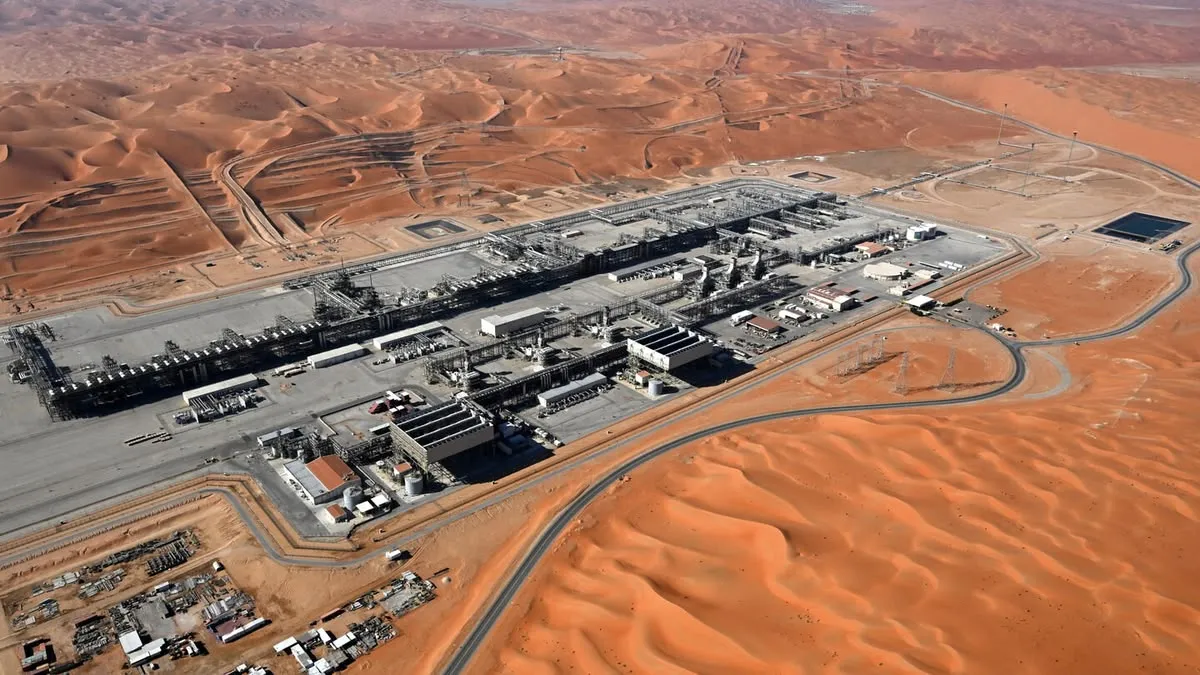
Commercial satellite imagery captured in the days following the incident shows a pumping station that appears heavily scorched. Darkened areas consistent with fire damage cover parts of the facility and surrounding ground. Comparisons with earlier images of the same site highlight the contrast: structures and terrain that previously appeared intact now display clear signs of burning and disruption.
The images, released by satellite imagery providers, focus on a section of the pipeline system in the region southeast of Madinah. Analysts examining the photographs have pointed to visible fire scarring around process areas and evidence that crude oil may have escaped the facility perimeter. While the pictures do not offer an engineering assessment of underground pipe integrity, they confirm that above-ground infrastructure at the pumping station sustained significant thermal and structural damage.
The East-West Pipeline and Its Strategic Role
Saudi Arabia’s East-West pipeline, also known as Petroline, stretches approximately 1,200 kilometres (about 745 miles) across the Arabian Peninsula. It links major oil processing and production facilities in the east with the Red Sea export terminal at Yanbu. The system has a high design capacity and in recent periods has been used to move roughly four million barrels of crude per day.
That volume represents a meaningful share of global oil supply—around four percent under normal conditions. The pipeline’s value has grown in importance whenever maritime routes through the Strait of Hormuz face disruption or heightened risk. By providing an overland alternative to the Gulf, it allows Saudi Arabia to maintain exports even when tanker traffic in the Gulf is constrained.
The temporary shutdown of the line therefore removes a key redundancy in the world’s largest oil exporter’s logistics network.
The Drone Attack and Immediate Response
According to Saudi authorities, several drones originating from Iraqi territory struck targets along the pipeline corridor in the Riyadh and Medina regions around 10–11 September 2026. The attacks caused fires, injuries and material damage. In response, the Ministry of Energy ordered the pipeline shut as a precautionary measure while emergency and technical teams assessed the situation.
Satellite and thermal detection systems recorded smoke plumes and heat signatures along the route in the immediate aftermath. Subsequent higher-resolution commercial imagery has now made the extent of damage at least at one pumping station more visible to the public.
Saudi officials have stated that the drones came from Iraq. No group has issued a widely confirmed claim of responsibility in the available reporting, and investigations were said to be underway. The kingdom has not yet released a detailed public inventory of the damage or a firm timeline for restoring full operations.
Supply Concerns and Market Implications
Industry sources familiar with Saudi export operations have indicated that stocks at the Yanbu terminal were sufficient to support shipments for only a limited period—estimated by some at five to seven days—while the pipeline remains offline. If the line cannot be restarted relatively quickly, the loss of this export channel could tighten global supply at a time when markets are already sensitive to Middle East disruptions.
Repair timelines cited by traders and analysts have varied. Some assessments suggested that restoring full functionality could take several weeks, while others left open the possibility of partial resumption sooner. Until official information is provided, uncertainty itself has contributed to market nervousness.
Oil prices responded to the news with upward pressure, reflecting concerns that a prolonged outage could remove a noticeable volume of crude from international markets. The episode illustrates how attacks on midstream infrastructure—pumping stations and pipelines—can create bottlenecks even when upstream production capacity remains intact.
Broader Context of Energy Security
The incident highlights the vulnerability of critical energy infrastructure to relatively low-cost aerial threats. Pumping stations are necessary nodes in long-distance pipeline systems; damaging them can halt or severely restrict throughput even if the pipe itself is not severed along its entire length. The East-West line’s role as a strategic bypass makes any interruption particularly consequential.
For Saudi Arabia, the attack tests both physical defences and crisis-response capabilities. For global consumers and refiners, it serves as a reminder that oil security depends not only on production volumes but also on the resilience of transportation networks. Alternative routes and storage cushions can mitigate short-term shocks, yet sustained disruption of a major artery still carries measurable economic weight.
Assessing the Path Forward
As of the release of the latest satellite images, Saudi authorities had not publicly detailed the precise repair requirements or the expected date for restarting the pipeline. Technical teams were reported to be evaluating the damage. The clarity of the before-and-after imagery has, however, reduced ambiguity about whether significant harm occurred: the photographs show a facility that experienced serious fire-related damage.
The coming days and weeks will determine whether the outage remains limited or begins to affect export schedules more substantially. Market participants will watch for official updates on repair progress, any partial restart of pumping capacity, and the status of inventories at Yanbu.
In the meantime, the satellite record stands as documented evidence of the attack’s physical consequences. It transforms what might otherwise have remained an official statement about “material damage” into a visible record of charring and structural impact at a key node in one of the world’s most important oil transportation systems. The images make clear that the drone strikes left a mark that will take time, resources and careful engineering to fully erase .
Read more – huggymonster.com
