
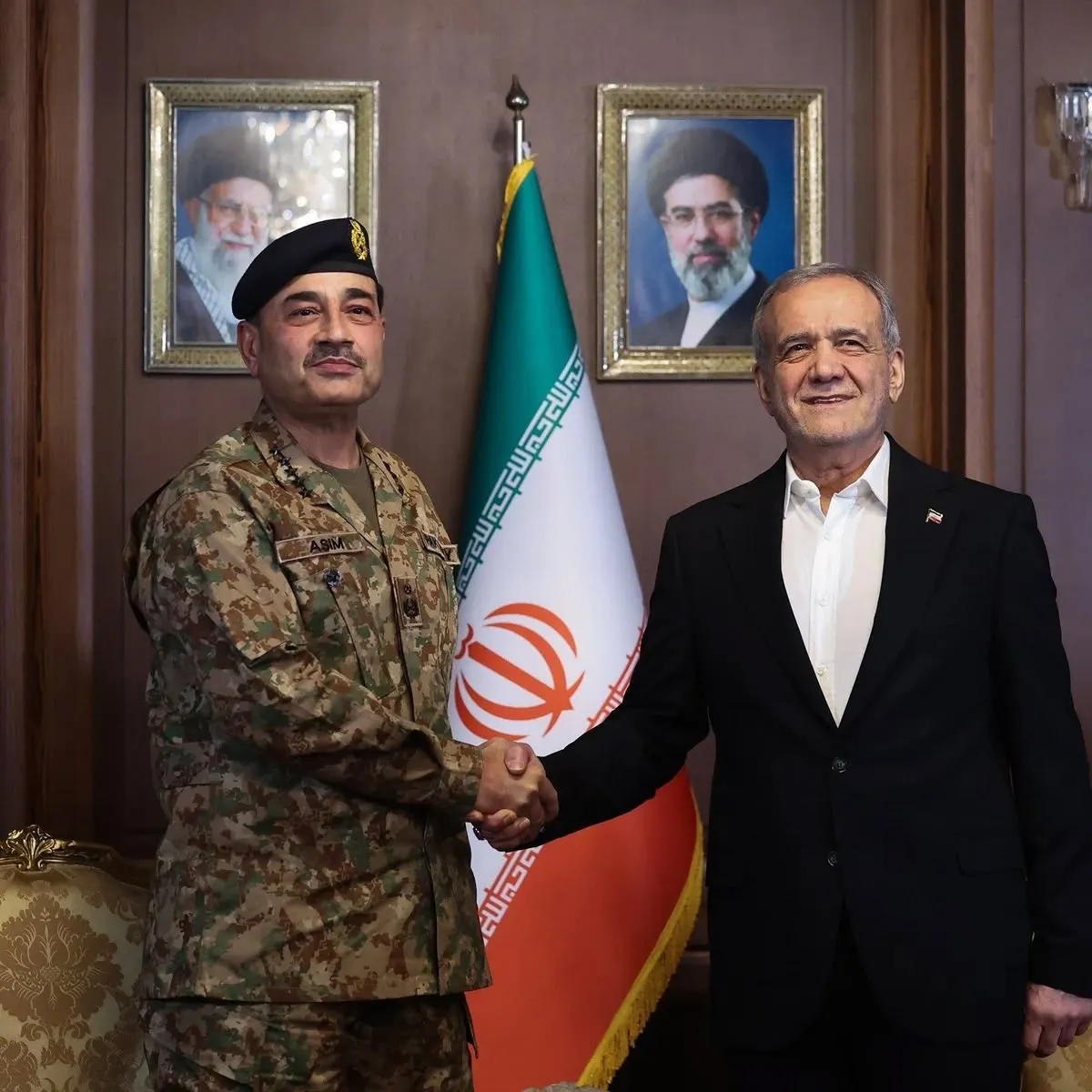
Iranian Foreign Minister Abbas Araghchi and Pakistan’s Army Chief Field Marshal Asim Munir held a telephone discussion on the latest regional developments during Araghchi’s visit to Beijing. The conversation, reported by Iranian media, took place against the backdrop of stalled negotiations between the United States and Iran, with no agreement reached so far.
High-Level Phone Call Amid Regional Uncertainty
The two officials reviewed current events across the region and exchanged views on diplomatic efforts aimed at promoting peace, stability, and security. Sources familiar with the exchange indicated that the discussion covered the implications of rising tensions and the importance of continued consultations between regional countries. Both sides stressed the need for vigilance and coordination to address growing insecurity.
This was not an isolated contact. Araghchi and Munir have maintained regular communication in recent months as part of broader diplomatic engagement. Pakistan has previously played a mediating role in efforts related to the Iran-United States situation, facilitating channels for dialogue and carrying messages between the parties. The latest call underscores Islamabad’s continued involvement in regional diplomacy at a time when formal negotiations remain without progress.
Context of Stalled US-Iran Negotiations
Negotiations between Washington and Tehran have remained stalled, with no final agreement in sight. Earlier frameworks, including a memorandum of understanding reached earlier in the year, provided a temporary window for further talks. That period concluded without a successor deal, leaving both sides without a clear path forward on core issues.
Araghchi’s presence in Beijing coincided with these unresolved matters. During the visit, he also held discussions with Chinese Foreign Minister Wang Yi. Chinese officials encouraged both Iran and the United States to exercise restraint, return to previously agreed frameworks, and rebuild a negotiation mechanism for substantive consultations. Beijing reiterated its readiness to play a constructive role in resolving international disputes while emphasizing that prolonged conflict serves neither party’s interests nor those of the wider international community.
The combination of bilateral contacts with Pakistan’s military leadership and high-level engagement in China reflects Tehran’s multi-track diplomatic approach. Officials have sought to keep channels open with regional partners while exploring external support for de-escalation.
UAE Condemns Houthi Drone Attempt on Makkah
In a related development highlighting the fragile security environment, the United Arab Emirates issued a strong condemnation of an attempt by the Houthi group to target Makkah al-Mukarramah in Saudi Arabia using a drone. The UAE Ministry of Foreign Affairs described the action as a flagrant violation of the Kingdom’s sovereignty and a direct threat to its security and stability.
The statement reaffirmed the UAE’s full solidarity with Saudi Arabia and expressed support for all measures necessary to protect the Kingdom’s security. Saudi authorities reported that air defenses intercepted and destroyed the drone before it could enter restricted airspace over the holy city. Officials in Riyadh characterized the incident as a serious provocation and the second such attempt directed at Makkah, following an earlier incident years prior.
Multiple regional and Islamic organizations joined in condemning the action, emphasizing the sanctity of the holy sites and the risks posed to civilian safety and regional stability. The episode added another layer of tension to an already complex security landscape involving multiple actors and ongoing conflicts.
Broader Implications for Regional Stability
The phone call between Araghchi and Munir, the diplomatic activity in Beijing, and the UAE’s response to the Houthi incident collectively illustrate the interconnected nature of current challenges. Escalations in one area risk spilling over into others, affecting energy routes, maritime security, and the safety of religious sites of global significance.
Pakistan’s consistent engagement reflects its interest in preventing further deterioration that could impact South Asia and the wider Muslim world. Iran, for its part, has sought to maintain dialogue with neighboring and regional partners while navigating its unresolved differences with the United States. China has positioned itself as a supporter of diplomatic solutions and a potential facilitator for renewed talks.
Observers note that sustained communication between key figures such as Araghchi and Munir helps keep options open even when formal negotiations are stalled. These contacts allow for the exchange of assessments, the exploration of confidence-building measures, and the coordination of positions on shared concerns about insecurity and conflict spillover.
Looking Ahead
As of the latest reports, no breakthrough has been announced in the US-Iran track. Diplomatic activity continues on multiple fronts, with regional capitals monitoring developments closely. The emphasis from both Iranian and Pakistani sides on the need for coordinated efforts suggests recognition that unilateral actions or prolonged stalemates carry significant risks.
The UAE’s firm stance on the protection of Saudi territory and holy sites further signals that Gulf states remain highly sensitive to any threats directed at their core security and religious interests. Collectively, these events underscore the urgency of de-escalation mechanisms and the value of quiet diplomacy in managing a volatile regional environment.
Continued high-level contacts, whether by phone or in person, will likely remain an important feature of efforts to contain tensions and explore pathways toward greater stability. The coming weeks may reveal whether these discussions contribute to any tangible progress or simply serve to maintain existing lines of communication amid ongoing uncertainty.
Read more – sevendollarmiracle.com
