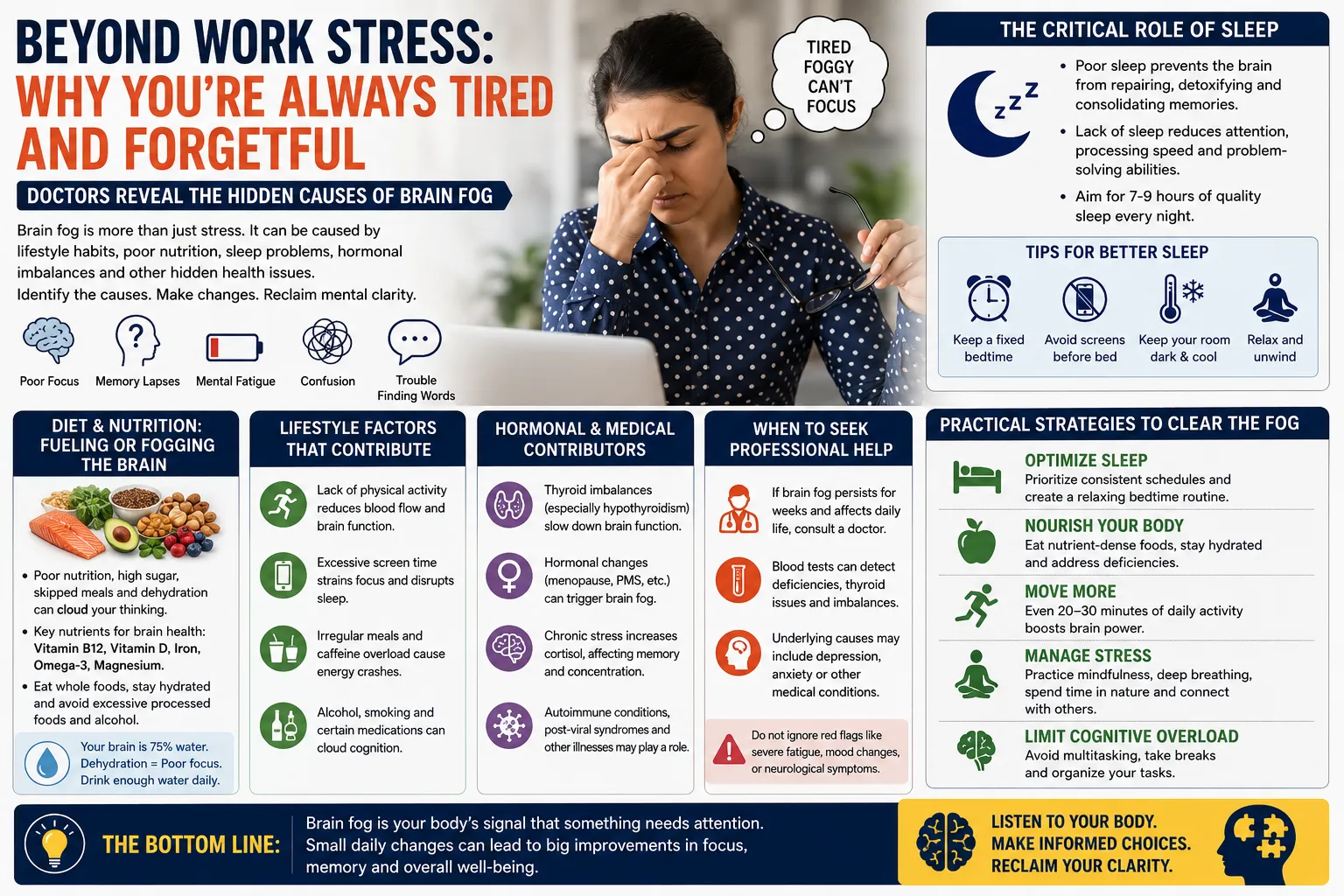
Many professionals dismiss persistent mental fatigue, forgetfulness, and difficulty focusing as mere consequences of demanding jobs or daily pressures. However, medical experts emphasize that brain fog—a common but often misunderstood condition—frequently stems from modifiable lifestyle factors rather than stress alone. Understanding these underlying contributors can help restore mental clarity and cognitive performance.
Brain fog describes a cluster of cognitive symptoms including difficulty concentrating, memory lapses, mental exhaustion, slowed thinking, confusion, and trouble finding the right words. It is not a formal medical diagnosis but a symptom reflecting how the brain responds to various internal and external pressures. While temporary episodes are normal, chronic brain fog signals the need to examine daily habits more closely.
The Critical Role of Sleep in Cognitive Health
Poor sleep consistently ranks among the top causes of brain fog. Insufficient or low-quality rest prevents the brain from clearing toxins, consolidating memories, and resetting neural pathways. Insomnia, irregular sleep schedules, or disrupted sleep—common in shift workers or those with excessive screen time—directly impair attention and processing speed.
Experts recommend 7-9 hours of consistent, high-quality sleep nightly. Simple improvements like maintaining a fixed bedtime, creating a dark and cool sleep environment, and avoiding screens before bed can yield noticeable benefits. Research shows that even one night of inadequate sleep can mimic the cognitive effects of intoxication.
Diet and Nutrition: Fueling or Fogging the Brain
What you eat profoundly influences mental clarity. Poor nutrition, skipped meals, high sugar intake, or diets lacking essential nutrients frequently trigger brain fog. Dehydration alone can significantly reduce cognitive function, as the brain is highly sensitive to fluid balance.
Key nutrient shortfalls linked to brain fog include vitamin B12, vitamin D, iron, omega-3 fatty acids, and magnesium. Vitamin B12 deficiency, common in vegetarians, vegans, or older adults, affects nerve function and energy production, leading to fatigue and memory issues. Low omega-3 levels impair brain cell communication, while iron deficiency reduces oxygen delivery to brain tissues.
Doctors advise a balanced diet rich in whole foods: leafy greens, berries, fatty fish, nuts, seeds, and adequate protein. Regular meals and proper hydration (aiming for sufficient water intake throughout the day) support stable blood sugar and optimal brain performance. Excessive processed foods and alcohol can exacerbate inflammation and dehydration, worsening symptoms.
Lifestyle Factors Beyond the Basics
Physical inactivity contributes substantially to brain fog. Regular exercise increases blood flow to the brain, promotes neurogenesis, and reduces inflammation. Even moderate activity like a daily 20-30 minute walk can alleviate symptoms by boosting endorphins and improving sleep quality.
Other lifestyle culprits include excessive screen time, which strains focus and disrupts circadian rhythms, and chronic dehydration or irregular eating patterns. Substance use, including alcohol and certain medications, can also cloud cognition.
Hormonal fluctuations—such as those during menopause, thyroid imbalances, or other endocrine issues—frequently manifest as brain fog. Conditions like hypothyroidism slow metabolism and cognitive processes, while imbalances in cortisol from ongoing lifestyle strain compound the problem.
When to Seek Professional Help
While many cases improve with lifestyle adjustments, persistent brain fog may indicate underlying medical issues. These include autoimmune conditions, post-viral syndromes (such as long COVID), depression, anxiety, or medication side effects. Heavy metal exposure or other toxicities are less common but possible contributors in specific contexts.
Consult a healthcare provider if symptoms interfere with daily life, especially alongside other red flags like severe fatigue, mood changes, or neurological symptoms. Blood tests can identify deficiencies, thyroid function, or other imbalances. A thorough evaluation helps differentiate benign causes from those requiring targeted treatment.
Practical Strategies to Clear the Fog
Experts advocate a multifaceted approach:
- Optimize Sleep Hygiene: Prioritize consistent schedules and relaxing routines.
- Nourish Your Body: Focus on nutrient-dense foods, stay hydrated, and consider supplements only under medical guidance for confirmed deficiencies.
- Move More: Incorporate regular physical activity tailored to your fitness level.
- Manage Stress Holistically: Techniques like mindfulness, social connection, and time in nature complement lifestyle changes.
- Limit Cognitive Overload: Reduce multitasking, take breaks from screens, and organize tasks to support mental bandwidth.
Many individuals notice significant improvement within weeks of implementing these changes. Tracking symptoms alongside habits can reveal personal triggers and measure progress.
The Bigger Picture: Prevention and Long-Term Brain Health
Brain fog serves as an early warning system from the body. In today’s fast-paced world, where irregular schedules and digital demands are common, proactive attention to foundational health pillars—sleep, diet, movement, and hydration—becomes essential. These elements not only alleviate current symptoms but also build cognitive resilience against future challenges.
Public awareness is growing, with more people recognizing that mental sharpness depends on physical well-being. Employers and communities can support this by promoting wellness practices that address root causes rather than symptoms alone.
In conclusion, feeling perpetually tired and forgetful rarely stems solely from work stress. By addressing sleep quality, nutritional balance, physical activity, and other lifestyle elements, most people can reclaim mental clarity. Listening to these signals and making informed changes empowers individuals to enhance cognitive health and overall quality of life. If symptoms persist, professional medical advice ensures comprehensive care tailored to individual needs.