
Introduction
Healthy, strong hair enhances appearance and confidence while reflecting overall well-being. Factors like genetics, age, and environment influence growth, but lifestyle and care practices significantly impact strength and vitality. Natural approaches focus on nourishment, protection, and gentle handling to support the hair growth cycle and minimize damage.
This guide presents practical tips grounded in science and traditional wisdom for promoting thicker, shinier, and more resilient hair. Consistency and patience yield noticeable improvements over time.
Nourish Hair from Within Through Diet
Hair primarily consists of protein, so adequate intake is essential. Include lean meats, fish, eggs, legumes, and nuts to supply amino acids for keratin production. Deficiencies can lead to thinning or brittleness.
Iron supports oxygen delivery to follicles. Spinach, red meat, and fortified cereals help prevent deficiency-related shedding. Biotin, found in eggs, almonds, and sweet potatoes, contributes to keratin infrastructure.
Omega-3 fatty acids from salmon, flaxseeds, and walnuts reduce inflammation and improve scalp health. Vitamins A, C, D, and E, along with zinc, foster growth and protection against oxidative stress. A balanced diet with colorful produce ensures comprehensive nutrient support.
Stay hydrated, as dehydration affects scalp circulation and hair texture. Herbal teas provide additional antioxidants.
Scalp Care and Massage Techniques
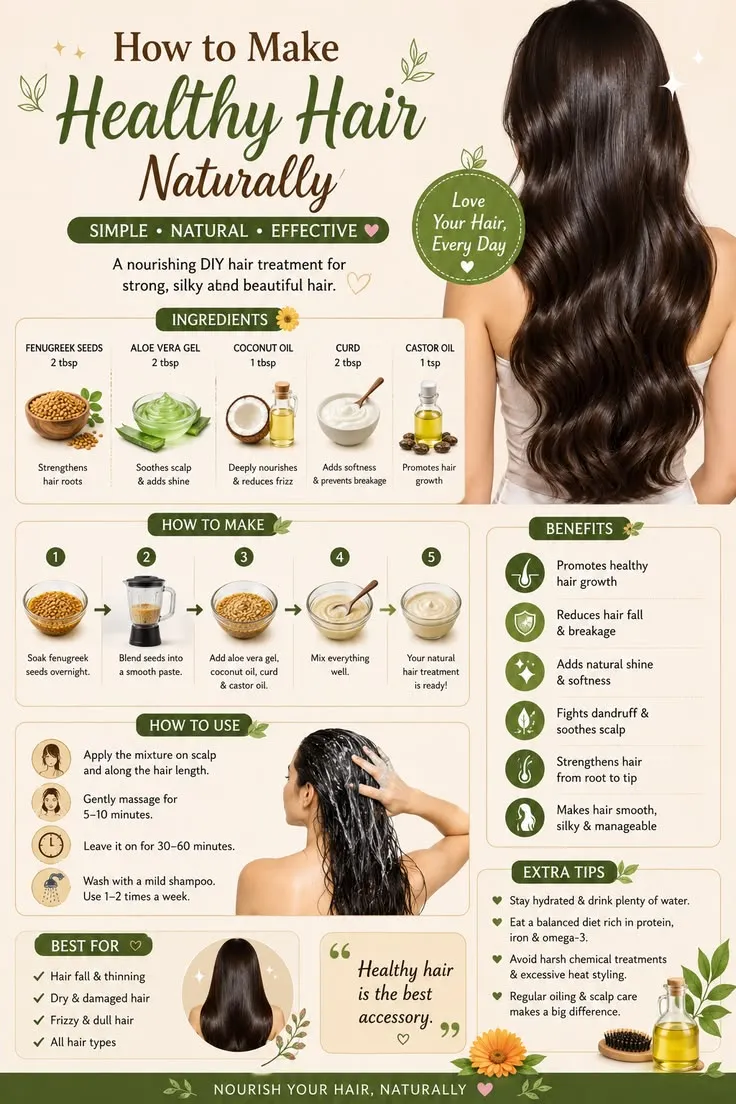
A healthy scalp creates the foundation for strong hair. Regular, gentle massage increases blood flow, delivering nutrients and stimulating follicles. Use fingertips in circular motions for 5-10 minutes daily, optionally with oils.
Natural oils like coconut penetrate the shaft to reduce protein loss, while rosemary or peppermint diluted in carrier oils may promote circulation. Apply warm oil treatments weekly, leaving on for 30-60 minutes before washing.
Exfoliate the scalp occasionally with sugar or oatmeal scrubs to remove buildup, but avoid overdoing to prevent irritation.
Gentle Washing and Conditioning Routines
Over-washing strips natural oils. Adjust frequency based on hair type—oily scalps may need daily cleansing, while dry or curly hair benefits from less frequent washing. Use lukewarm water and sulfate-free shampoos to preserve moisture.
Focus shampoo on the scalp, allowing runoff to cleanse lengths. Always follow with conditioner, applying to mid-lengths and ends. Deep conditioning masks with aloe vera, honey, or yogurt hydrate and repair.
Air-dry when possible or use low-heat settings with protectants. Wide-tooth combs minimize breakage on wet hair.
Protective Styling and Damage Prevention
Minimize heat styling and chemical treatments that weaken strands. When using tools, apply heat protectants and opt for lower temperatures. Protective styles like braids or twists reduce manipulation.
Trim regularly to prevent split ends from traveling upward. Silk or satin pillowcases and scarves reduce friction during sleep. Avoid tight ponytails or extensions that pull on roots.
Sun exposure and pollution damage hair. Hats or UV-protective sprays shield during outdoor activities.
Natural Remedies and Supplements
Aloe vera soothes the scalp and may stimulate growth. Onion juice, though pungent, offers sulfur for strength. Fenugreek seeds soaked overnight create protein-rich masks.
Supplements like biotin or collagen may help if diet lacks nutrients, but consult professionals before starting. Essential oils such as lavender or tea tree, diluted properly, address dandruff or thinning.
Lifestyle Factors Influencing Hair Health
Manage stress through exercise, meditation, or hobbies, as cortisol disrupts growth cycles. Ensure 7-9 hours of quality sleep for regeneration.
Avoid smoking, which restricts blood flow, and limit alcohol. Regular physical activity improves circulation to the scalp.
Hormonal balance affects hair; address underlying issues with medical guidance when needed.
Common Mistakes to Avoid
Over-brushing, harsh chemicals, and poor diet sabotage progress. Tight hairstyles cause traction alopecia. Expect gradual results—hair grows about half an inch monthly.
Patience prevents frustration. Track improvements with photos every few months.
Conclusion
Achieving stronger, healthier hair combines internal nourishment, external care, and mindful habits. A protein-rich diet, scalp massages, gentle routines, and protective measures create optimal conditions for growth and resilience.
Natural strategies empower sustainable results tailored to individual needs. Consistency, combined with professional advice for persistent concerns, unlocks the potential for vibrant, confident hair. Embrace the journey toward healthier locks as part of broader self-care.
