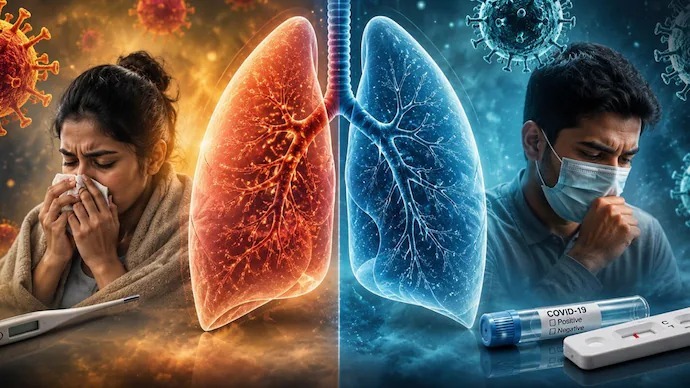

A Fresh H1N1 Concern
H1N1 influenza cases are drawing renewed attention across several Indian cities as doctors report more people arriving with fever, cough, body aches, and other flu-like symptoms. Recent reports indicate a sharp rise in Delhi, while Ahmedabad and Pune are also seeing increased influenza activity and fever-related illnesses.
For many people, the words H1N1 or swine flu still sound alarming because of the major outbreaks associated with the virus years ago. Today, however, H1N1 is treated as one of the seasonal influenza viruses circulating among people. The National Centre for Disease Control continues to maintain specific seasonal influenza information and H1N1 technical guidance for healthcare systems and the public.
Delhi Reports Rising Numbers
Delhi has become one of the major areas attracting attention because H1N1 cases have reportedly climbed to 1,344 during the current season. The number has prompted health officials and doctors to watch the situation carefully, especially as respiratory infections can spread quickly in crowded urban environments.
Doctors are also seeing people with symptoms that can initially look like ordinary seasonal fever or another viral infection. High temperature, tiredness, sore throat, cough, headaches, and body aches can occur with influenza, which means people should not automatically assume that every fever represents H1N1 infection.
Delhi-NCR is particularly important because daily movement between Delhi, Gurgaon, Faridabad, Noida, and nearby areas remains extremely high. When respiratory infections increase in one urban area, frequent commuting can make monitoring more complicated for local health authorities.
Other Cities Are Watching
The concern is not limited to Delhi, though the available reports differ considerably from city to city. In Ahmedabad, health authorities have recently placed greater attention on fever-related illnesses, with H1N1 and dengue both appearing among the concerns during the current period.
Pune doctors have also reported a 20 to 30 percent increase in influenza and other viral fever cases across the city. This does not mean every reported viral fever is H1N1, and that distinction matters when discussing the overall situation. Testing and clinical assessment are necessary before identifying a particular influenza infection.
Maharashtra had reported 303 laboratory-confirmed H1N1 cases by late July, according to a report citing state data. Pune accounted for 40 of those cases, while most patients had recovered and 26 remained hospitalized at that time.
Why Symptoms Can Be Confusing
One difficult part about the current H1N1 surge in India is that its symptoms can overlap with several other illnesses. Fever, cough, weakness, headaches, sore throat, chills, and muscle pain can occur with influenza as well as other respiratory infections.
The situation becomes even more confusing during monsoon months because dengue and gastrointestinal infections are also being reported in some cities. Ahmedabad, for example, has recently been dealing with H1N1, dengue, and gastroenteritis concerns at the same time.
Maharashtra doctors have also described some H1N1 patients developing abdominal pain, diarrhoea, or loose motions before more familiar respiratory symptoms appeared. That makes self-diagnosis particularly unreliable for people who are feeling unwell.
Who Should Stay More Careful
Most influenza infections do not automatically become severe, but certain people can face greater risks from complications. Older adults, very young children, pregnant women, and people with certain existing medical conditions may require closer medical attention when influenza symptoms develop.
People who already have breathing problems or weakened immunity should also avoid ignoring symptoms that are getting worse. Difficulty breathing, persistent chest discomfort, severe weakness, confusion, dehydration, or symptoms that improve and then suddenly become worse should be treated as reasons to seek medical evaluation quickly.
This does not mean everyone with a cough needs emergency treatment. It simply means worsening symptoms should not be dismissed as an ordinary seasonal cold, particularly when influenza activity is increasing locally.
Simple Steps Can Help
Basic precautions remain useful when respiratory infections are circulating. Washing hands regularly, covering the mouth and nose while coughing or sneezing, improving ventilation indoors, and avoiding unnecessary close contact when feeling sick can reduce opportunities for transmission.
People who develop flu-like symptoms should consider staying home instead of continuing normal office, school, or social activities. Crowded public transport, packed offices, classrooms, and enclosed gatherings can provide easy opportunities for respiratory viruses to move between people.
Masks may also provide an additional layer of protection in crowded indoor settings, especially for people who are sick or those who are around individuals at higher risk. The NCDC provides specific H1N1 guidance covering areas such as masks, home care, patient categorisation, laboratory testing, and clinical management.
Vaccination Still Matters
Influenza vaccination remains one of the tools used for reducing the risk associated with seasonal influenza. Vaccine recommendations can change according to circulating strains and public-health guidance, so people considering vaccination should discuss the appropriate option with a qualified healthcare professional.
It is also important to understand that vaccination does not mean someone can never catch a respiratory infection. Influenza viruses change over time, and protection depends on several factors, including the match between circulating viruses and vaccine strains.
People should therefore avoid treating vaccination as a replacement for sensible hygiene and staying home while sick. Instead, vaccination can form one part of a broader approach to influenza prevention.
Testing Helps Avoid Guesswork
A major problem with respiratory illness is the tendency to identify the infection based only on symptoms. Fever and cough alone cannot reliably establish that someone has H1N1, because several infections can produce similar symptoms.
Healthcare professionals may recommend testing depending on symptoms, risk factors, local transmission, and the person’s overall condition. The NCDC maintains information about laboratories involved in testing for Influenza A H1N1, along with technical guidance for diagnosis and sample collection.
This becomes especially useful when several illnesses are circulating simultaneously. A person with fever during monsoon season could potentially have influenza, dengue, another viral infection, or something unrelated. Getting the right medical assessment can prevent unnecessary confusion and inappropriate treatment.
Antibiotics Are Not The Answer
Another important point concerns antibiotics. H1N1 is caused by influenza virus, while antibiotics are designed to treat bacterial infections. Taking antibiotics without medical advice therefore does not directly treat the influenza virus.
People should also avoid starting antiviral medicines on their own simply because H1N1 cases are increasing. Medicines such as antivirals may be recommended in particular circumstances, but the decision should come from a qualified medical professional after considering the patient’s condition and risk factors.
Self-medication can create additional problems, especially when symptoms actually belong to another illness. Proper medical advice remains more useful than trying several medicines based on internet searches or recommendations from friends.
What The Current Situation Means
The recent reports do show increased concern about influenza activity in several Indian cities, but they should not automatically be interpreted as evidence of a nationwide emergency. Case numbers, testing practices, hospital admissions, and reporting systems can vary between states and cities.
Delhi’s reported 1,344 H1N1 cases are significant and deserve monitoring, while reports from Pune, Ahmedabad, and Maharashtra show that influenza and other seasonal illnesses are also creating pressure on healthcare services.
For ordinary residents, the practical message is fairly simple. Pay attention to symptoms, avoid spreading illness to others, and seek professional medical advice when symptoms become severe or unusual.
Conclusion: Stay Alert Without Panic
The recent H1N1 surge in Indian cities is a reminder that seasonal influenza can still create significant pressure on communities and healthcare facilities. Rising reports from Delhi and increasing influenza activity in other cities deserve attention, but unnecessary panic is not helpful. Basic hygiene, sensible distancing while sick, appropriate medical consultation, and vaccination where recommended can all support better protection. People should also remember that H1N1 symptoms can resemble other infections, making professional assessment more valuable than self-diagnosis. As health authorities continue monitoring influenza activity, residents should stay informed through reliable sources and respond calmly when symptoms appear. For the latest guidance, consult your healthcare professional and follow official public-health advisories.
Read More :-