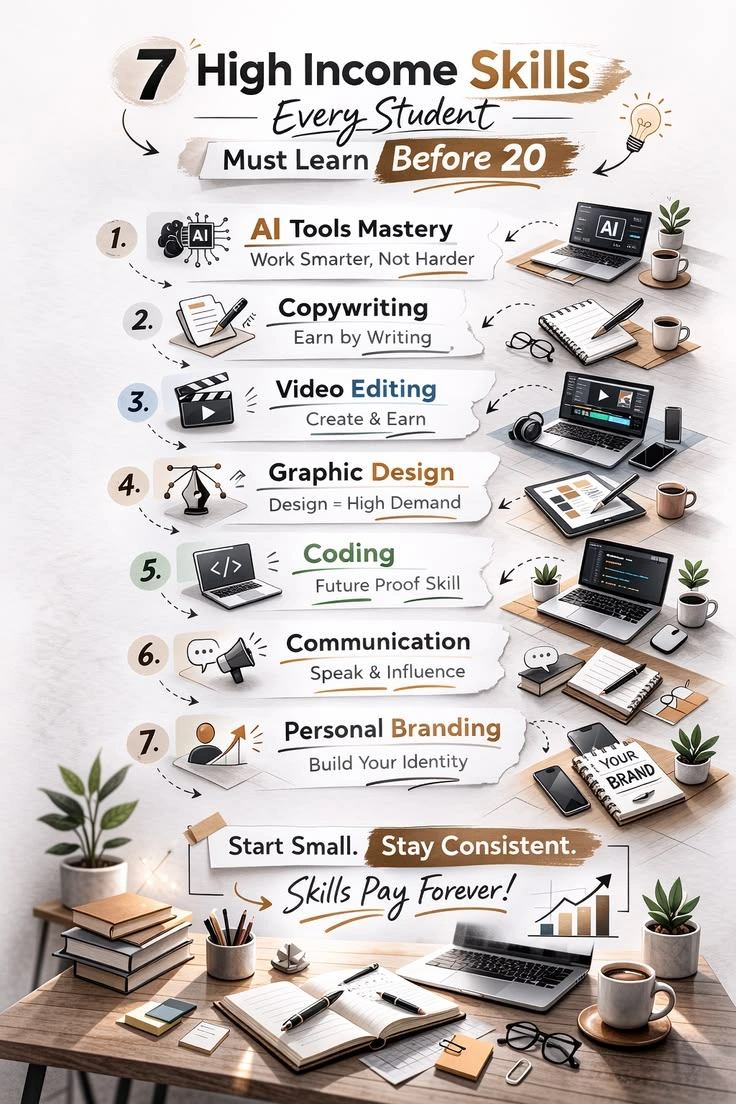

The year 2026 marks a defining period in the global job market, where rapid advancements in artificial intelligence, digital transformation, and shifting workplace dynamics are reshaping the skills that drive professional success. Employers are no longer seeking candidates with only technical expertise or traditional qualifications. Instead, they prioritize individuals who combine human-centric abilities with technological fluency. For professionals and fresh graduates alike, investing in the right skills can significantly accelerate career growth, increase earning potential, and ensure long-term relevance in an evolving economy.
Here are the most valuable skills to focus on in 2026, along with practical insights on why they matter and how to develop them.
1. Artificial Intelligence and Generative AI Literacy
AI is no longer a futuristic concept but a core part of business operations. Proficiency in generative AI tools, prompt engineering, and basic AI implementation has become one of the highest-demand skills. Professionals who can effectively use AI to automate tasks, generate content, analyze data, and enhance decision-making stand out across industries.
Why it matters: Companies are actively deploying AI solutions, and those who understand how to guide, optimize, and ethically apply these tools deliver immediate value. Learning prompt engineering, AI ethics, and basic model interaction can differentiate you in roles ranging from marketing and content creation to software development and operations.
How to develop it: Start with free or affordable online courses on platforms offering AI fundamentals, experiment with tools like ChatGPT, Claude, or Gemini daily, and apply them to real work scenarios.
2. Data Analysis and Interpretation
The ability to collect, analyze, and derive actionable insights from data remains crucial. Skills in tools like Excel, SQL, Python for data analysis, and visualization platforms are highly sought after.
Why it matters: Organizations across sectors rely on data-driven decisions. Professionals who can translate raw data into strategic recommendations are indispensable in marketing, finance, operations, and product development.
How to develop it: Begin with foundational Excel and SQL skills, progress to Python or R for advanced analysis, and practice creating clear visualizations and reports that tell compelling stories with data.
3. Cybersecurity Fundamentals
As digital transformation accelerates, protecting sensitive information has become a priority. Basic cybersecurity knowledge, including threat detection, data privacy, and secure system management, is valuable even for non-technical roles.
Why it matters: Cyber threats continue to rise, and businesses need professionals who understand security best practices to mitigate risks and ensure compliance.
How to develop it: Learn core concepts such as network security, encryption, and safe digital practices. Certifications in ethical hacking or cybersecurity awareness can significantly boost your profile.
4. Leadership and People Management
Technical skills alone are insufficient. Leadership abilities — including emotional intelligence, team motivation, conflict resolution, and cross-functional collaboration — are among the fastest-growing requirements.
Why it matters: In hybrid and AI-augmented workplaces, leaders who can inspire teams, manage change, and foster inclusive environments drive organizational success.
How to develop it: Take on small leadership roles in projects, practice active listening, seek mentorship opportunities, and study emotional intelligence frameworks.
5. Adaptability and Continuous Learning
The pace of change demands professionals who can quickly learn new tools, adapt to shifting priorities, and remain resilient in uncertain environments.
Why it matters: Job roles and required skills evolve rapidly. Those who demonstrate learning agility and flexibility are more likely to thrive and advance.
How to develop it: Cultivate a growth mindset, dedicate time weekly to learning new concepts, experiment with emerging technologies, and regularly reflect on lessons from challenges.

6. Digital Marketing and Content Creation
Understanding SEO, social media strategy, content marketing, and data-driven campaign management remains highly relevant as businesses compete for online attention.
Why it matters: Digital channels continue to dominate customer engagement. Professionals who can create compelling content and measure its impact add direct value to revenue generation.
How to develop it: Learn platform-specific strategies, study analytics, practice creating high-quality content, and stay updated on algorithm changes.
7. Cloud Computing Basics
Familiarity with major cloud platforms (AWS, Azure, Google Cloud) and their applications in storage, computing, and deployment is increasingly expected.
Why it matters: Most modern applications and data systems operate in the cloud. Basic cloud literacy helps professionals work more efficiently and understand modern IT infrastructure.
How to develop it: Begin with free tier accounts on major platforms and complete introductory certification paths focused on cloud fundamentals.
Strategic Approach to Skill Development
To maximize impact in 2026, adopt a balanced skill portfolio that combines technical proficiency with human strengths. Focus on depth in 2–3 core skills while maintaining working knowledge of complementary areas. Dedicate consistent time — even 30–60 minutes daily — to deliberate practice and real-world application.
Create a personal development plan that aligns with your career goals and industry trends. Track progress through projects, certifications, and measurable outcomes. Build a strong professional network and seek opportunities to apply new skills in current roles or personal projects.
The Bigger Picture
The professionals who will thrive in 2026 are those who embrace lifelong learning and adaptability. Technical skills open doors, but human skills — creativity, communication, empathy, and ethical judgment — help you advance and lead. Organizations increasingly value individuals who can bridge technology with human needs.
Start by assessing your current strengths and gaps. Choose one or two skills from this list that align with your aspirations and begin building them immediately. Small, consistent efforts compound into significant career advantages over time.
The future belongs to those who prepare for it proactively. By focusing on these high-impact skills, you position yourself not just to survive but to excel in the evolving professional landscape of 2026 and beyond. Your willingness to learn and adapt will be your greatest competitive advantage in the years ahead.
Read more – presslyy.com