
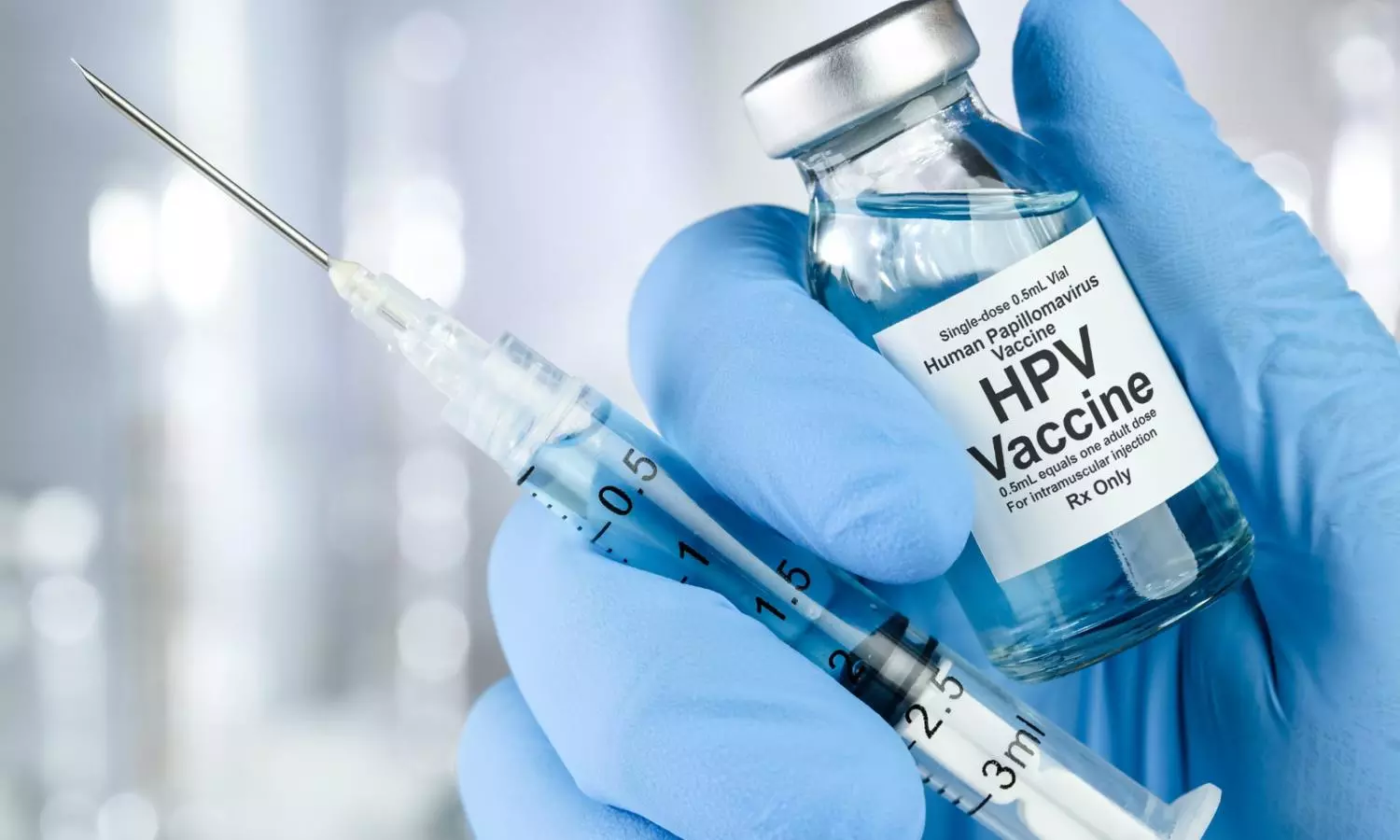
In a significant public health move aimed at reducing the burden of cervical cancer, the Government of India is set to roll out a nationwide Human Papillomavirus (HPV) vaccination drive later this month. The campaign will focus on administering a single-dose HPV vaccine to 14-year-old girls, marking a crucial step in strengthening preventive healthcare for adolescent populations.
Cervical cancer remains one of the most common cancers affecting women in India. Despite advances in medical science and increased awareness, thousands of new cases are diagnosed each year, many at advanced stages. Public health experts have consistently emphasized that vaccination against HPV—the primary cause of cervical cancer—is one of the most effective strategies to reduce the disease’s incidence.
Understanding HPV and Cervical Cancer
Human Papillomavirus is a common viral infection transmitted through close physical contact. While many HPV infections resolve on their own, certain high-risk strains can persist and lead to cervical cancer over time. The infection often remains asymptomatic in its early stages, which makes preventive measures such as vaccination especially important.
Cervical cancer develops slowly, typically over several years. It begins with abnormal changes in cervical cells, which, if untreated, can progress to cancer. Screening methods such as Pap smears and HPV tests help detect these changes early, but vaccination significantly lowers the risk before exposure to the virus.
Focus on 14-Year-Old Girls
The government’s new campaign will initially target girls who are 14 years old as per their date of birth. During the first 90 days of the drive, eligible girls can receive the vaccine at government health centres across the country. This targeted age group is strategically chosen because the vaccine is most effective when administered before exposure to HPV.
Administering the vaccine during adolescence ensures maximum protection and aligns with global health recommendations. By focusing on this specific age bracket, the campaign aims to achieve high coverage quickly and efficiently.
Single-Dose Strategy for Wider Coverage
One of the notable features of this campaign is the use of a single-dose vaccination strategy. Traditionally, HPV vaccines have been administered in two or three doses, depending on age and guidelines. However, recent scientific evidence supports the effectiveness of a single-dose regimen in providing strong and lasting immunity.
The adoption of a single-dose schedule offers several advantages:
-
Easier implementation and tracking
-
Higher compliance among beneficiaries
-
Reduced logistical challenges
-
Lower overall cost to the public health system
This approach is expected to enhance vaccine acceptance and streamline delivery across rural and urban health facilities alike.
Strengthening Preventive Healthcare
The HPV vaccination drive reflects a broader shift in India’s healthcare priorities—from treatment-focused interventions to prevention-driven strategies. Preventive healthcare not only saves lives but also reduces long-term financial strain on families and the healthcare system.
Cervical cancer treatment can be complex, costly, and emotionally taxing. In contrast, vaccination provides a simple and safe method of protection. By investing in early prevention, the government aims to reduce future cancer cases and improve women’s health outcomes across generations.
Role of Government Health Centres
Government health centres will play a central role in implementing the campaign. These centres already serve as primary points of contact for immunization programs under the Universal Immunization Programme (UIP). Leveraging this established network ensures better accessibility, especially in rural and underserved areas.
Healthcare workers, including nurses and community health volunteers, are expected to conduct awareness sessions, identify eligible beneficiaries, and ensure smooth vaccine administration. Their involvement will be crucial in building trust and encouraging participation among families.
Addressing Vaccine Hesitancy
While HPV vaccines are globally recognized as safe and effective, vaccine hesitancy can pose a challenge. Misconceptions about side effects or concerns related to adolescent vaccination sometimes hinder participation.
To address this, authorities are likely to emphasize:
-
Clear communication about vaccine safety
-
Educational campaigns in schools and communities
-
Engagement with parents and guardians
-
Transparent reporting of any adverse events
Building awareness about the link between HPV and cervical cancer will be key to increasing acceptance.
Long-Term Impact on Women’s Health
If successfully implemented, the HPV vaccination drive could significantly reduce the incidence of cervical cancer in the coming decades. Countries that introduced widespread HPV vaccination earlier have already reported substantial declines in HPV infections and precancerous cervical lesions.
For India, where cervical cancer has long been a major public health concern, this initiative has the potential to be transformative. It aligns with global efforts to eliminate cervical cancer as a public health problem and strengthens the nation’s commitment to improving adolescent and women’s health.
A Step Toward Health Equity
The focus on government health centres ensures that girls from economically disadvantaged backgrounds have equal access to life-saving preventive care. By offering the vaccine free of cost through public facilities, the campaign reduces financial barriers and promotes health equity.
Moreover, integrating the HPV vaccine into routine immunization efforts may pave the way for broader adolescent health initiatives in the future.
Conclusion
The upcoming HPV vaccination drive represents a landmark moment in India’s public health journey. By targeting 14-year-old girls with a single-dose vaccine, the government is taking proactive steps to combat cervical cancer before it develops. The success of this campaign will depend not only on efficient implementation but also on community awareness and participation.
With strong coordination between health authorities, schools, parents, and local communities, the initiative has the potential to protect millions of young girls and significantly reduce the burden of cervical cancer in the years ahead. Preventing cancer through vaccination is not just a medical intervention—it is an investment in the health, empowerment, and future of India’s women.
