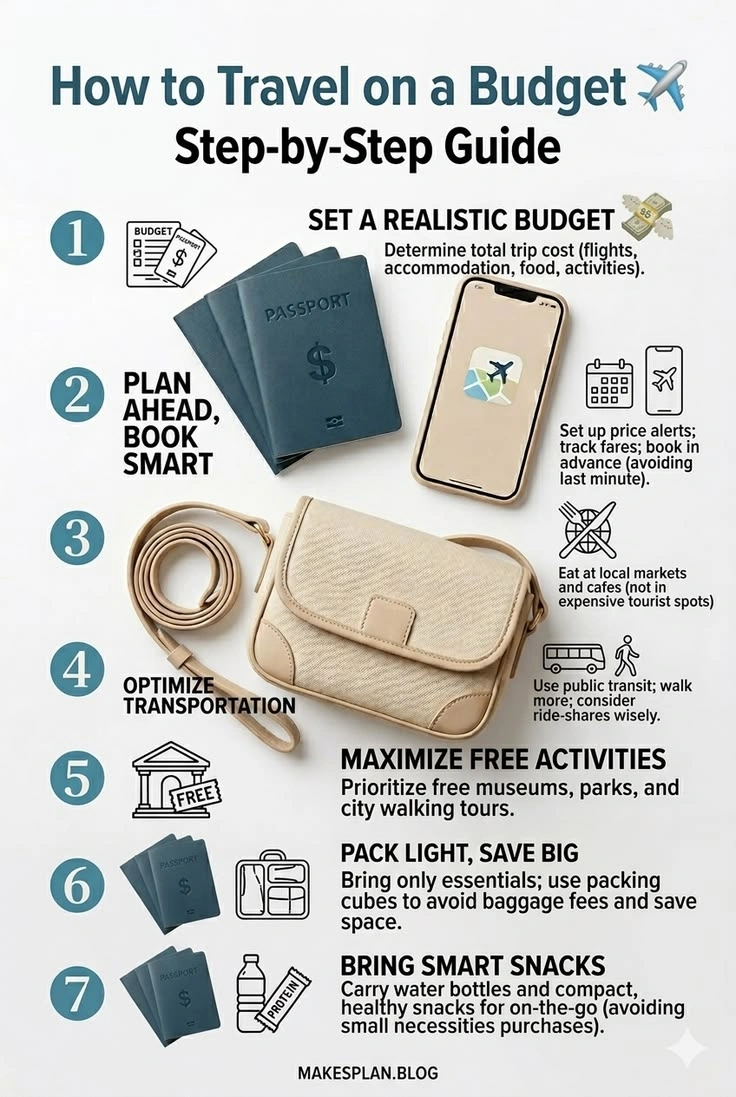
Flying can quickly become one of the biggest expenses in any trip, but smart strategies can significantly reduce costs without sacrificing the joy of travel. Budget travelers who master a few proven techniques often save hundreds of dollars per ticket. These hacks focus on timing, flexibility, tools, and smart habits that consistently deliver lower fares. By combining several approaches, even occasional travelers can access deals that rival those found by frequent flyers.
The foundation of saving on flights starts with understanding that prices fluctuate based on demand, algorithms, and timing. No single trick guarantees the lowest fare every time, but stacking multiple methods maximizes savings.
Be Flexible with Dates and Days
Flexibility is the most powerful tool for budget travelers. Midweek flights—especially on Tuesdays and Wednesdays—are frequently cheaper than weekend travel. Avoid peak departure days like Fridays and Sundays, which see higher demand from business and leisure travelers.
Use flexible date search options on platforms like Google Flights or Skyscanner. The “+/- 3 days” or monthly calendar view often reveals fare drops of $100–300 on international routes. Red-eye flights and early morning departures also tend to be more affordable. For maximum savings, consider traveling during shoulder seasons rather than peak holidays.
Choose the Right Booking Window
Timing your purchase correctly makes a big difference. For domestic flights, booking 1–3 months in advance often yields the best rates. International flights typically see optimal prices 3–6 months ahead, though some routes benefit from even earlier booking during busy periods.
Avoid last-minute bookings unless monitoring a specific deal, as prices usually rise closer to departure. Set up price alerts on Google Flights, Skyscanner, or Hopper to get notifications when fares drop. These tools use historical data to predict the best time to buy.
Search Smartly to Avoid Price Increases
Airlines and booking sites sometimes adjust prices based on user behavior. Search in incognito or private browsing mode to prevent cookies from tracking your interest and potentially raising displayed fares. Clearing cookies or using a VPN to simulate searches from different locations can also reveal lower prices in some cases.
Compare multiple platforms: Google Flights for exploration, Skyscanner or Momondo for comprehensive results, and airline websites for final booking. Sometimes booking directly with the airline unlocks exclusive deals or easier changes.
Consider Alternative Airports and Routes
Major hub airports often have cheaper flights than smaller regional ones. For example, flying into a secondary airport near your destination and taking affordable ground transport can cut costs substantially. Be willing to accept one or two connections instead of non-stop flights—connecting itineraries are frequently less expensive.
Open-jaw or multi-city bookings (flying into one city and out of another) can save money on round-trip itineraries while allowing more efficient exploration. Tools like Google Flights’ Explore map let you see the cheapest destinations from your departure city.
Leverage Stopovers and Budget Airlines
Long layovers don’t have to be wasted time. Some airlines offer free or low-cost stopover programs that turn a layover into a mini-vacation. Research carriers like those serving the Middle East or Europe that allow extended stops.
Budget airlines often provide the lowest base fares, but read the fine print on baggage, seat selection, and change fees. Sometimes combining a budget carrier for one leg with a full-service airline for another creates the cheapest overall itinerary.

Use Loyalty Programs and Points Wisely
Even budget travelers benefit from signing up for airline and credit card loyalty programs. Accumulate miles through everyday spending on cards that offer travel rewards. Many cards provide companion fares, free checked bags, or priority boarding that reduce effective costs.
Sign up for deal newsletters from services that curate flight sales. These can alert you to flash sales and error fares that disappear quickly.
Additional Money-Saving Habits
- Book on weekdays rather than weekends when possible, as business travel demand influences pricing.
- Pack light to avoid checked baggage fees—master the art of carry-on only travel.
- Consider repositioning flights: fly cheaply to a major hub and then onward on a better deal.
- Monitor prices even after booking; some airlines allow free changes or refunds if fares drop significantly.
- Combine flights with ground options like buses or trains for short distances when more economical.
Common Mistakes to Avoid
Don’t fixate on a single “best day” to book, as this varies by route and season. Ignoring hidden fees on ultra-low-cost carriers can erase apparent savings. Always calculate the total cost including baggage, seats, and transport from secondary airports. Finally, jumping on the first deal without comparing can mean missing better options.
Building a Sustainable Budget Travel Mindset
Saving on flights opens doors to more frequent and longer trips. Treat booking as a skill that improves with practice. Keep a spreadsheet of past fares for popular routes to better recognize good deals. Stay patient and flexible—sometimes waiting a few days yields significant drops.
For budget travelers, the goal is balancing cost with comfort and time. These hacks don’t require advanced expertise, just awareness and preparation. Start implementing them on your next search, and you’ll likely notice immediate savings that add up over multiple trips.
Mastering flight booking transforms travel from a luxury into an accessible adventure. With these straightforward strategies, you can explore farther, more often, and with less financial stress. The world becomes more reachable when you fly smarter, not just cheaper. Safe travels and happy hunting for those perfect fares.
Read more – updateprnews.com