
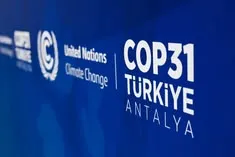
The next United Nations climate change conference, COP31, is scheduled to take place in Antalya, Türkiye, in November. Under an unusual dual arrangement, Türkiye will host the summit with its Environment Minister Murat Kurum serving as COP31 president, while Australia will oversee the formal negotiations process, with Climate Change and Energy Minister Chris Bowen acting as president of negotiations. As the event approaches, both countries face growing pressure over their domestic fossil-fuel policies and the extent to which the transition away from coal, oil and gas will feature on the agenda.
The Dual Presidency Arrangement
The decision to split responsibilities emerged after both countries sought to host the conference. Türkiye secured the physical hosting rights and leadership of the action agenda, while Australia gained authority over the negotiations. The arrangement also involves Pacific nations, with Fiji and Tuvalu set to host pre-COP events, reflecting Australia’s emphasis on elevating Pacific climate concerns.
In joint communications, Kurum and Bowen have described COP31 as an “Implementation COP” focused on turning existing commitments into measurable progress. Priority areas highlighted include the energy transition, electrification, circular economy, resilient infrastructure, sustainable agriculture and climate finance. One flagship proposal is a global target to raise electricity’s share of final energy consumption to 35 per cent by 2035.
The Fossil-Fuel Question
Despite these stated priorities, civil society groups and climate policy analysts have questioned the credibility of the co-hosts given their continued reliance on, and in some cases expansion of, fossil fuels. Nearly 100 organisations from Türkiye and Australia have called on the presidency to place a managed transition away from coal, oil and gas at the centre of the COP31 agenda. They argue that leadership at the global level requires corresponding action at home.
Türkiye continues to depend significantly on fossil fuels for electricity generation, with coal still accounting for a substantial share of its power mix. Although the country has expanded wind and solar capacity in recent years, rising energy demand has limited the impact of renewables on overall fossil-fuel use. New coal-related projects have also drawn criticism.
Australia remains a major exporter of coal and liquefied natural gas. While the government has advanced domestic renewable energy targets and emissions-reduction policies, the absence of a comprehensive national roadmap for phasing down fossil-fuel production and exports has been highlighted by observers. Recent project approvals and long-term supply agreements have reinforced concerns that the country’s economic model remains closely tied to fossil fuels.
Electrification as a Central Theme
The co-hosts have positioned electrification as a practical pathway to reduce emissions and improve energy security. The proposed 35-per-cent-by-2035 target draws on analysis from the International Renewable Energy Agency suggesting that higher electrification rates, paired with clean power, are essential for meeting Paris Agreement goals. Kurum has argued that expanding electricity use in transport, buildings and industry can shield economies from volatile fossil-fuel markets. Bowen has similarly framed electrification as a means to lower costs, enhance security and cut emissions.\
Critics note, however, that the electrification pledge does not explicitly require that the additional electricity come from renewable sources. Without such a condition, they argue, the target risks simply shifting fossil-fuel use into the power sector rather than delivering genuine decarbonisation.
Pressure for Stronger Language
Previous COP decisions have included carefully negotiated language on transitioning away from fossil fuels. Many governments and civil society organisations expect COP31 to build on that foundation with clearer pathways, timelines and support for a just transition. The dual presidency will therefore face pressure to facilitate inclusive discussions on fossil-fuel phase-down while managing the sensitivities of major producers and consumers.
Both Kurum and Bowen have emphasised implementation over new aspirational pledges. Kurum has cautioned that simply instructing countries to abandon fossil fuels is “not realistic” and that the focus should instead be on accelerating clean energy deployment so that dependence declines organically. This pragmatic framing may appeal to some parties but risks disappointing those seeking more explicit commitments.
Domestic Policies Under Scrutiny
The credibility of any COP presidency is closely linked to the host countries’ own records. Analysts have pointed out that neither Türkiye nor Australia currently has a firm national timeline for phasing out fossil-fuel production or use. Continued investment in coal and gas infrastructure, they argue, sits uneasily with the leadership role both nations are assuming in Antalya.
At the same time, both governments can point to progress in renewable energy deployment, electric vehicle policies and emissions targets. The tension between these advances and ongoing fossil-fuel activity is likely to define much of the public and diplomatic conversation surrounding COP31.
What to Expect in Antalya
COP31 will take place against a backdrop of uneven global progress on emissions reductions, persistent gaps in climate finance, and rising impacts from extreme weather. The co-hosts have signalled an intention to focus on practical outcomes in clean energy, infrastructure resilience and circular economy measures. Whether the formal agenda and final decisions will include strengthened language on fossil fuels remains an open and contested question.
Civil society groups will continue to press for clearer commitments, while many negotiating parties will weigh economic and energy-security considerations. The dual leadership structure adds a further layer of complexity, requiring close coordination between Ankara and Canberra.
Balancing Ambition and Realism
The success of COP31 will ultimately be measured by its ability to advance implementation of the Paris Agreement while maintaining broad participation. For Australia and Türkiye, the challenge is to demonstrate that their shared presidency can bridge divides on one of the most sensitive issues in climate diplomacy—the future of fossil fuels—without undermining the trust required for collective action.
As preparations intensify, the fossil-fuel question will remain central. How the co-hosts navigate it, both in the negotiating rooms and through their domestic choices, will shape perceptions of the summit long after the final gavel falls in Antalya.
Read more – Trubondlife.com
